Category: Early Modern History
-

The Hohenzollern Court: Ritual, Ceremony, and the Shaping of Prussian Monarchy, 1640–1786
Explore how court rituals and ceremonies transformed Prussian monarchy from 1640–1786, shaping its political authority, social hierarchy, and state identity at the dawn of modern Europe.
-

From Craft to Capital: The Role of Early Modern Guilds in Shaping European Economic Systems, 1550–1750
Guilds shaped early modern Europe’s economic landscape, mediating between craft tradition and emerging capitalism, profoundly impacting urban society, political power, and the very DNA of European economies.
-

Scientific Societies and Knowledge Networks in the Dutch Golden Age
Explore how Dutch scientific societies and transnational knowledge networks transformed the Republic in the Golden Age, reshaping its political, economic, and intellectual structures and influencing early modern Europe.
-
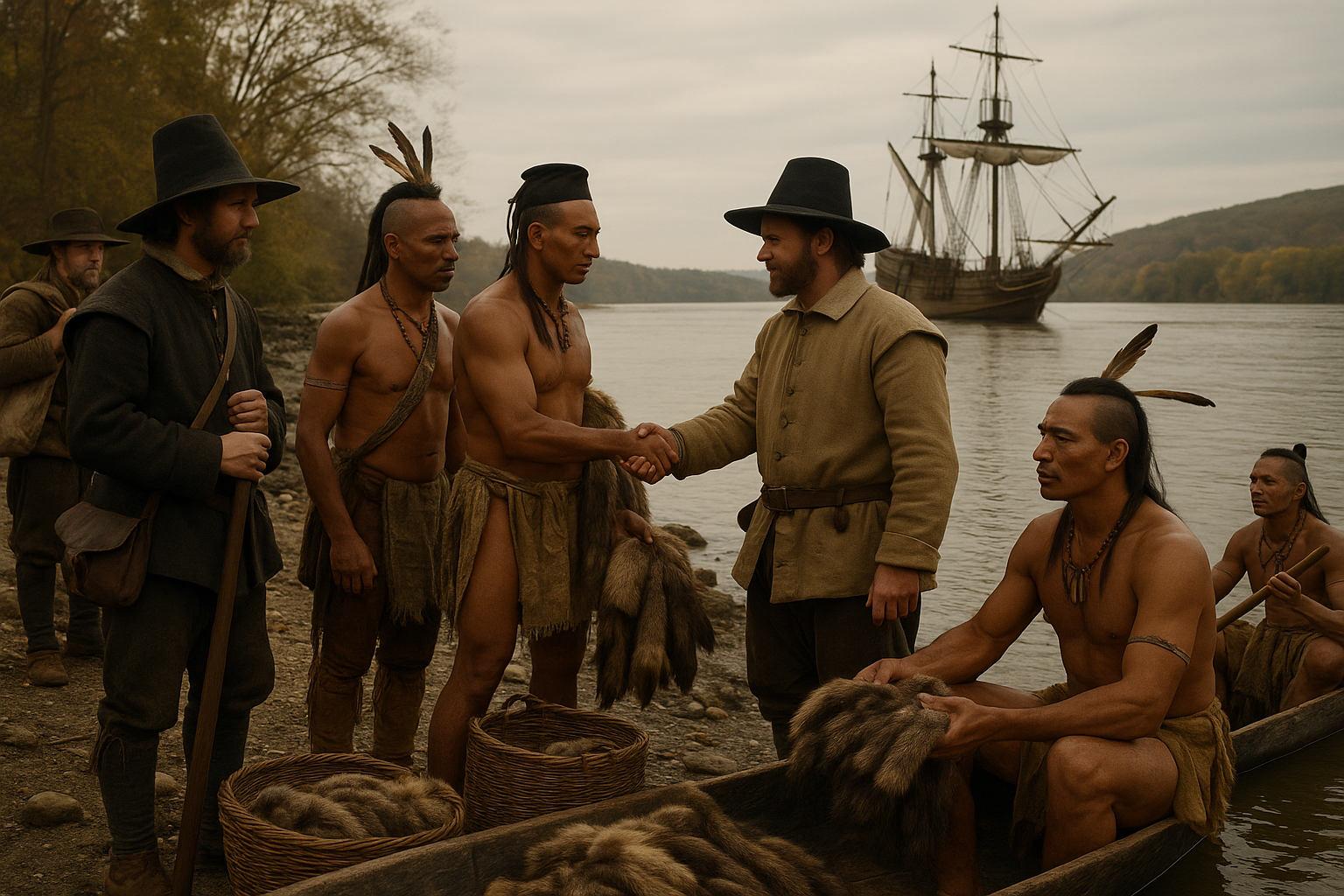
Encounters on the Hudson: Dutch-Indigenous Trade Networks in New Netherland, 1609–1664
Explore how Dutch and Indigenous trade along the Hudson River reshaped social, economic, and political dynamics in New Netherland from 1609 to 1664.
-
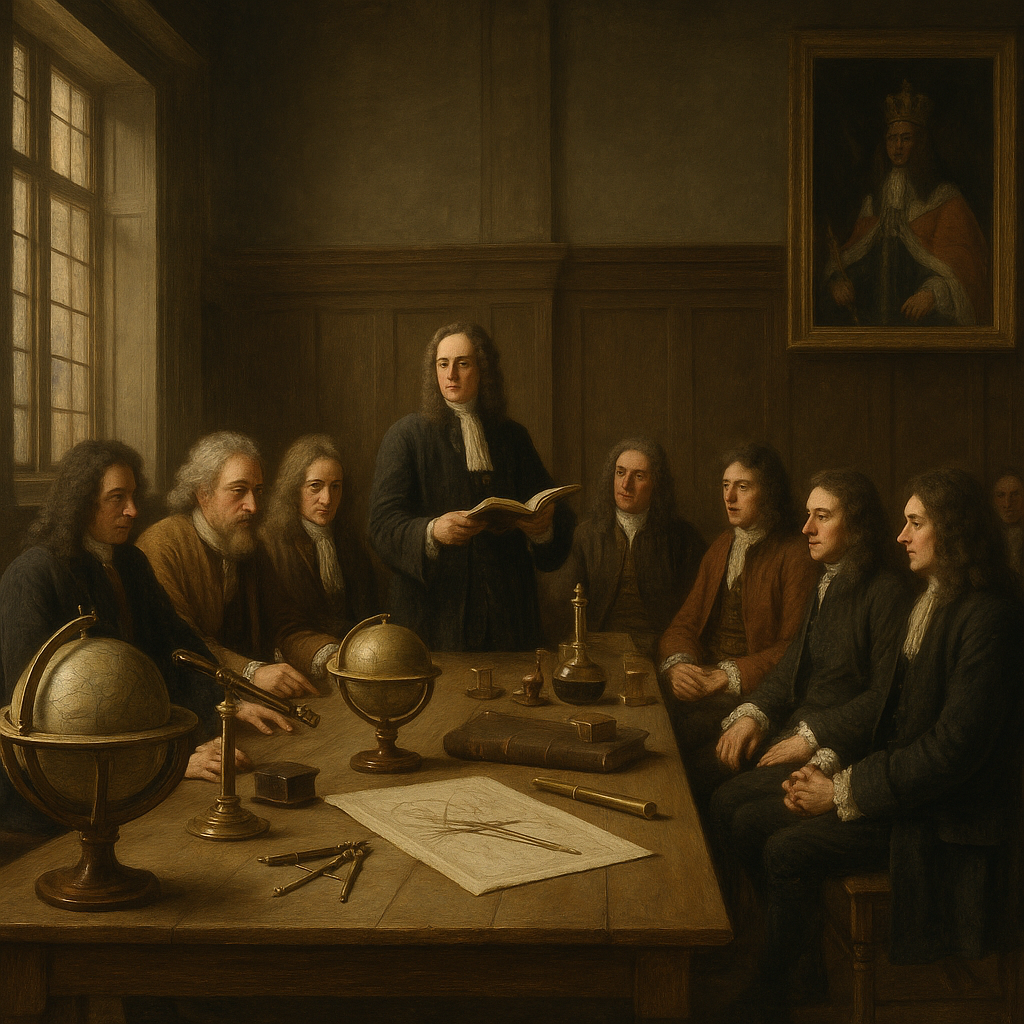
Science and Sovereignty: The Royal Society and the Expansion of British Knowledge, 1660–1720
Explore how the Royal Society transformed scientific institutions, reinforced British sovereignty, and fueled imperial ambitions during the tumultuous decades from 1660 to 1720.
-

Navigating the Northwest Passage: European Exploration and Arctic Trade Ambitions, 1550–1700
European dreams of Arctic trade transformed political ambition, scientific knowledge, and indigenous societies as explorers sought the Northwest Passage from 1550 to 1700.
-
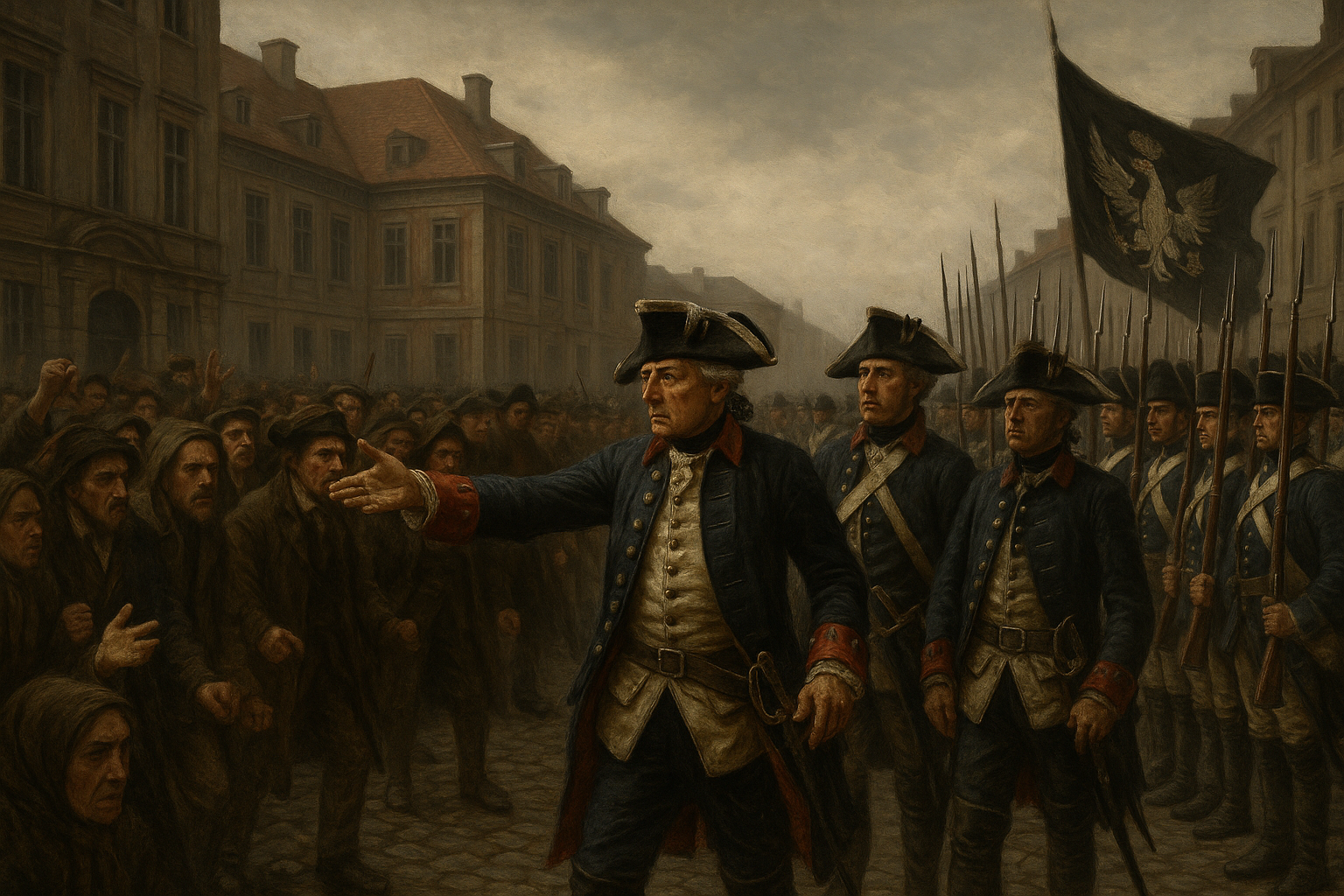
Frederick the Great’s Military Reforms: Shaping the Prussian Army, 1740–1786
Frederick the Great’s reforms transformed the Prussian Army, triggering deep structural, social, and political changes and forging the foundations of military professionalism in Early Modern Europe.
-
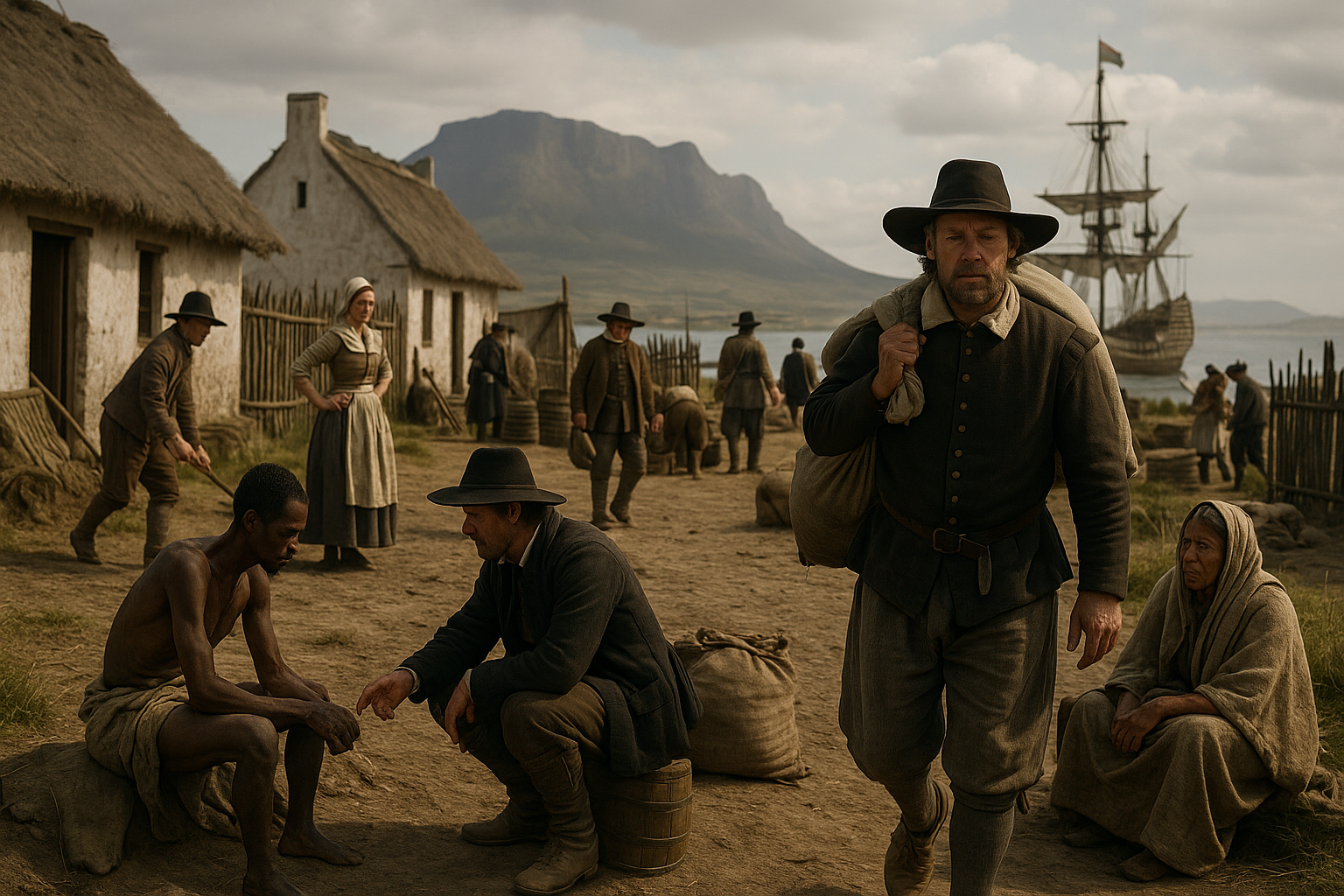
Fortune and Famine: The Dutch East India Company’s First Years at the Cape Colony Outpost
In 1652, the Dutch East India Company founded a precarious outpost at the Cape of Good Hope, laying the unlikely foundation for centuries of colonial history and global trade.
-

Secrets of the Furnace: Daily Life Inside the Murano Glassmakers’ Guild, 1600
Discover the fiercely guarded world of Murano’s glassmakers in 1600—a guild where skill, secrecy, and Venetian pride shaped lives, fortunes, and global taste for luxury.
-

The Bank of England’s Founding: Financing a New Era in 18th-Century Britain
Discover how the 1694 founding of the Bank of England helped transform Britain’s financial landscape, fueled war efforts, and redefined the future of national banking.
-
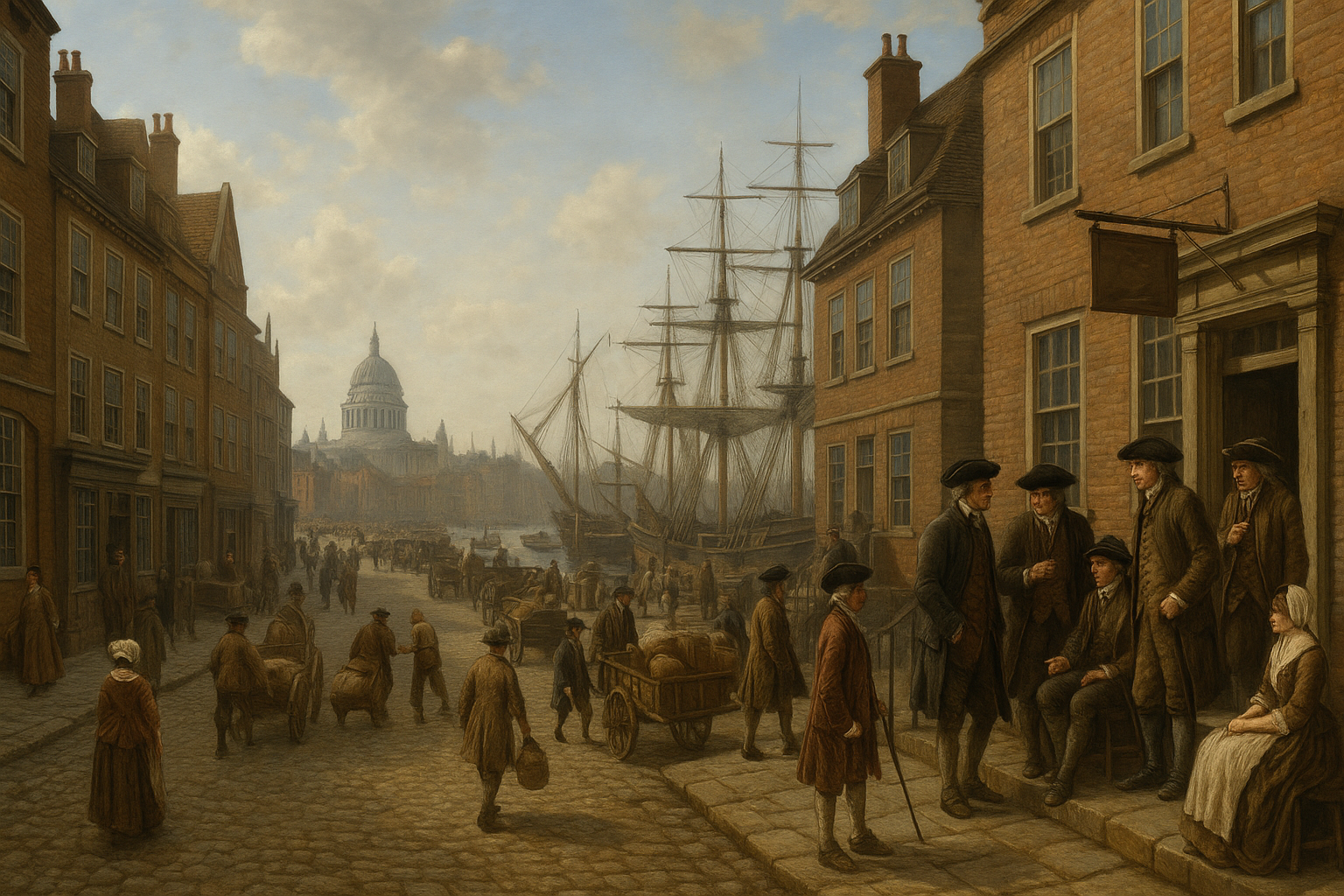
London’s Coffee Houses and the Birth of Modern Political Culture in the 18th Century
Discover how London’s 18th-century coffee houses became vital centers for political debate, social change, and the formation of new public spheres that shaped British society.
-

The Dissolution of the Monasteries: Henry VIII’s Transformation of England’s Sacred Landscape
Explore how Henry VIII’s dissolution of the monasteries between 1536 and 1541 upended religious authority, reallocated wealth, and changed the very fabric of English society.
-
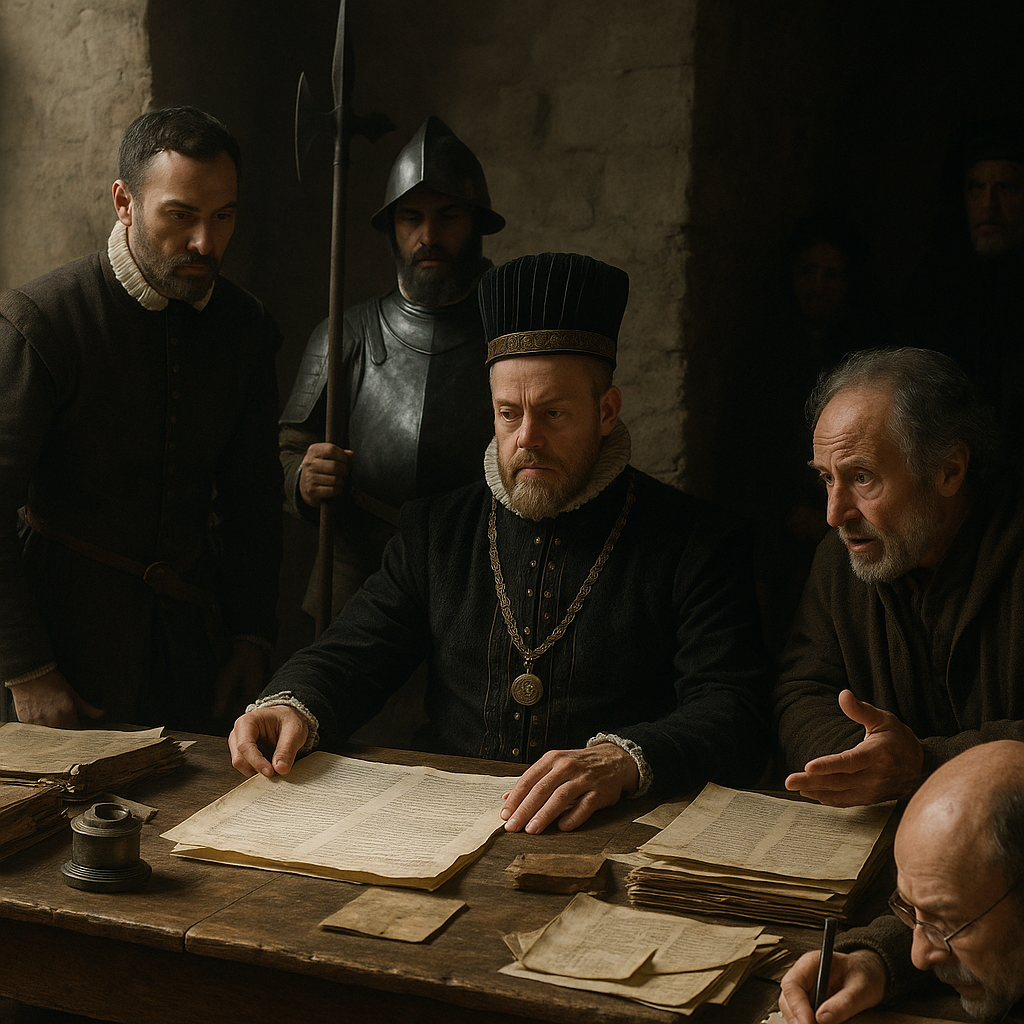
Philip II’s Bankruptcy of 1557: Spain’s Financial Crisis and Its Wide Repercussions
Explore how Philip II’s first state bankruptcy in 1557 sent shockwaves through Spain and Europe, reshaping royal finance, bankrupting creditors, and influencing early modern political realities.
-
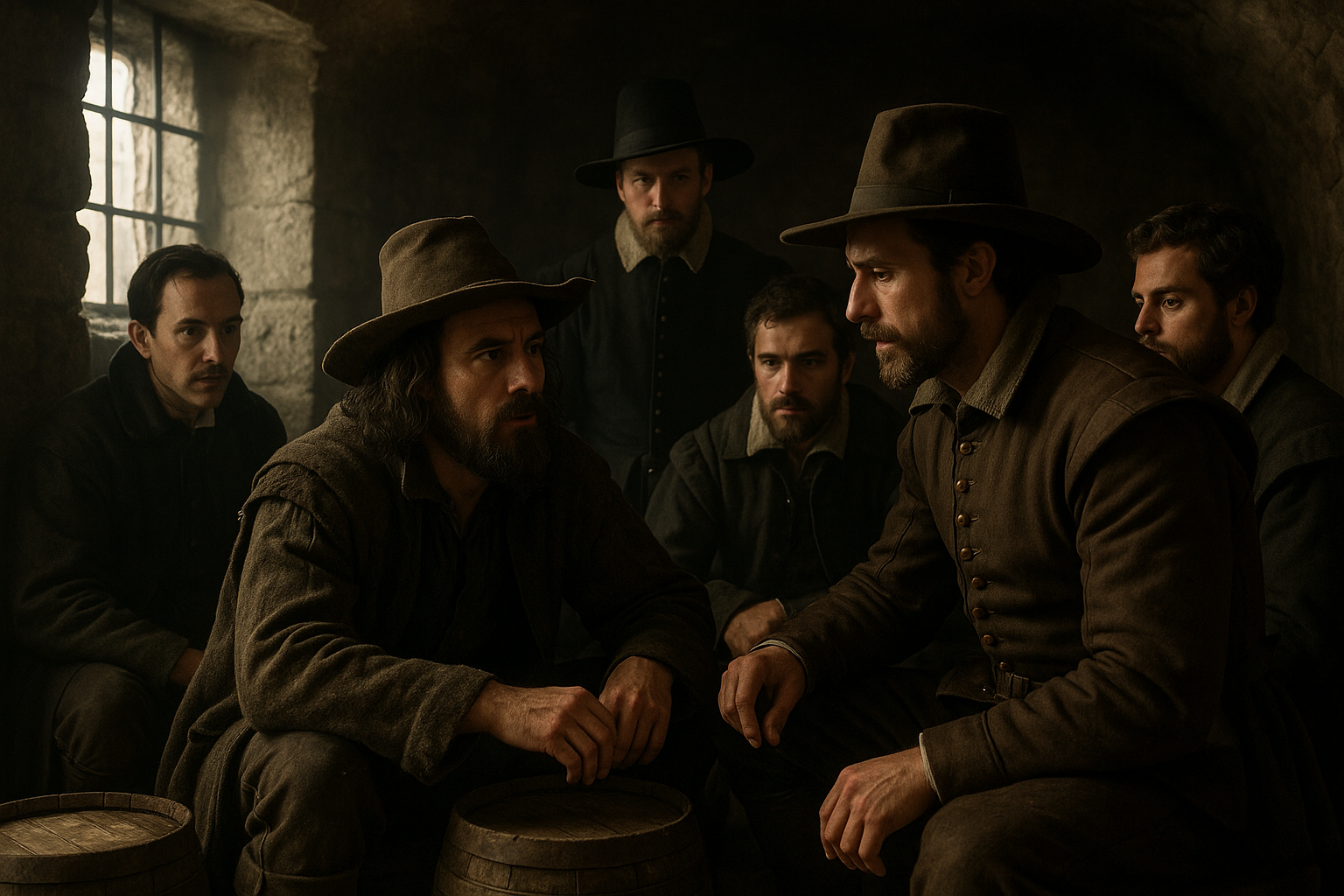
The Gunpowder Plot of 1605: Conspiracy, Faith, and the Fate of English Catholics
Explore the Gunpowder Plot of 1605 through the eyes of conspirators and monarchs, tracing the dangers and legacies of Catholic resistance in early Stuart England.
-
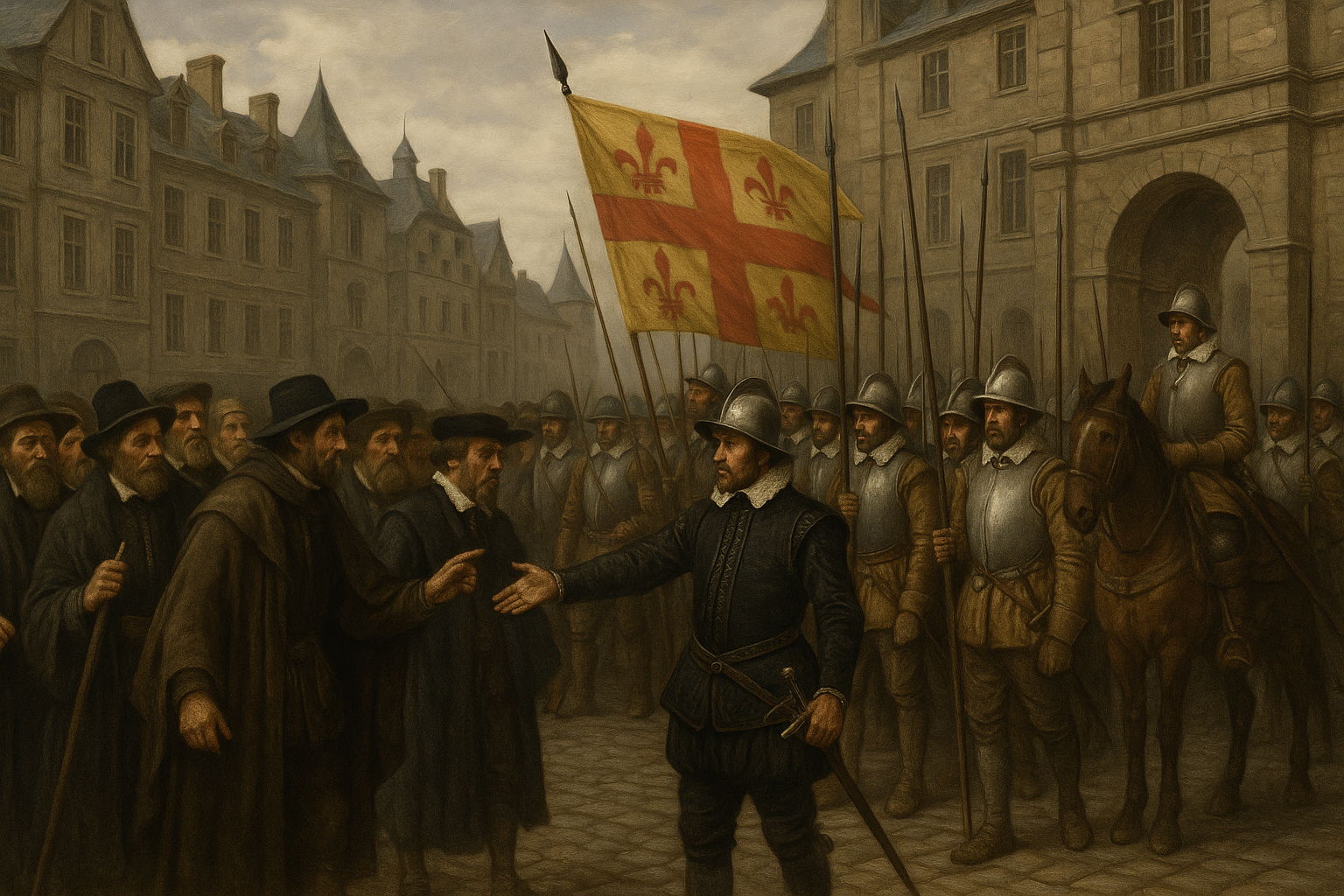
The Edict of Nantes: Securing Religious Toleration in Early Modern France
Explore the origins, challenges, and influence of the Edict of Nantes—a landmark decree that established religious toleration for French Protestants in the turbulent wake of the Wars of Religion.
-
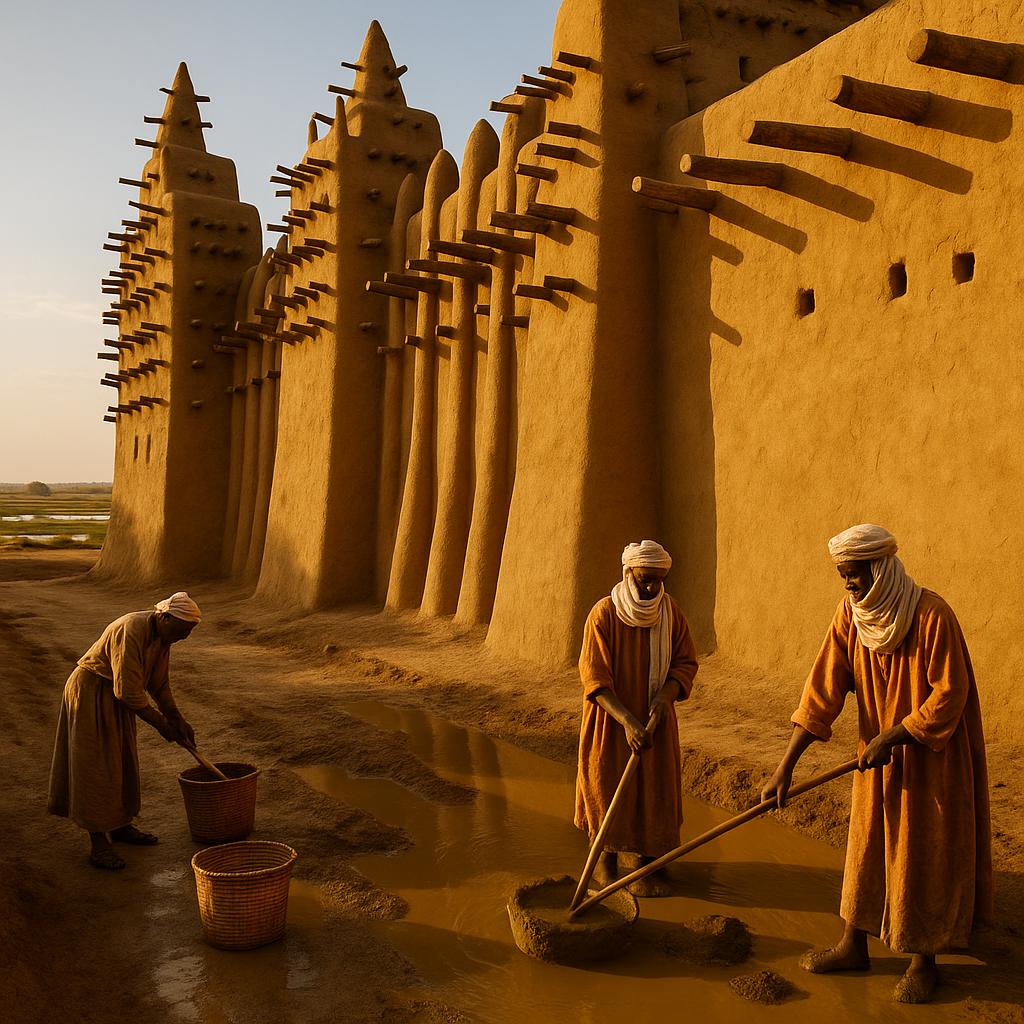
The Great Mosque of Djenné: Architectural Marvel and Spiritual Center in Medieval Mali
Explore the history and cultural significance of the Great Mosque of Djenné, a masterpiece of Sudano-Sahelian architecture and a spiritual landmark of the Mali Empire.
-

The Peace of Westphalia 1648: Forging a New Era of Sovereignty
The Peace of Westphalia in 1648 ended the Thirty Years’ War and redefined the principles of state sovereignty, shaping the foundations of the modern European order.
-
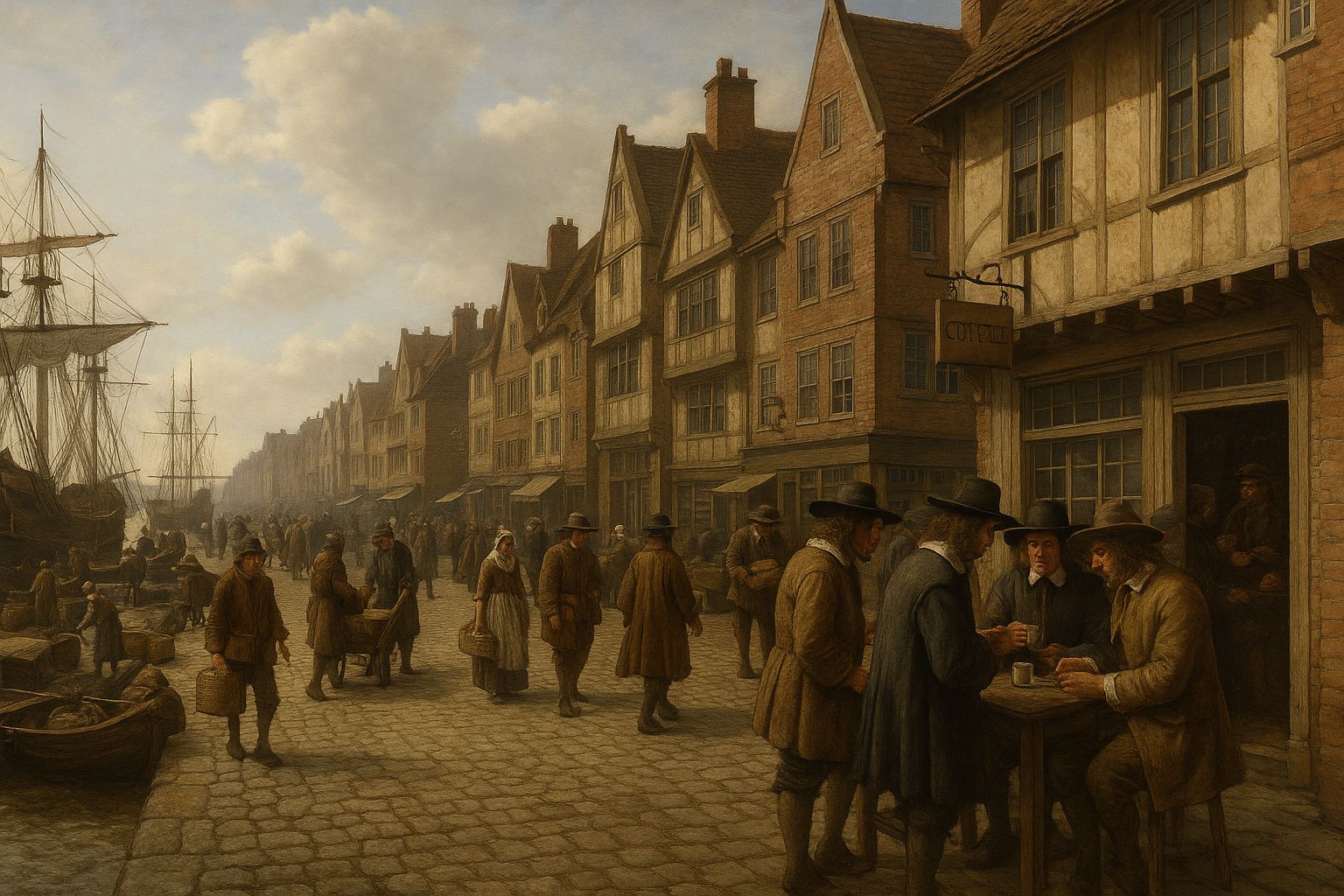
Inside the Coffee Houses of 17th Century London: Cradles of Public Debate
Discover how 17th-century London coffee houses revolutionized public debate, fostered new ideas, and transformed the city’s political, commercial, and social life with their unique, caffeinated culture.
-
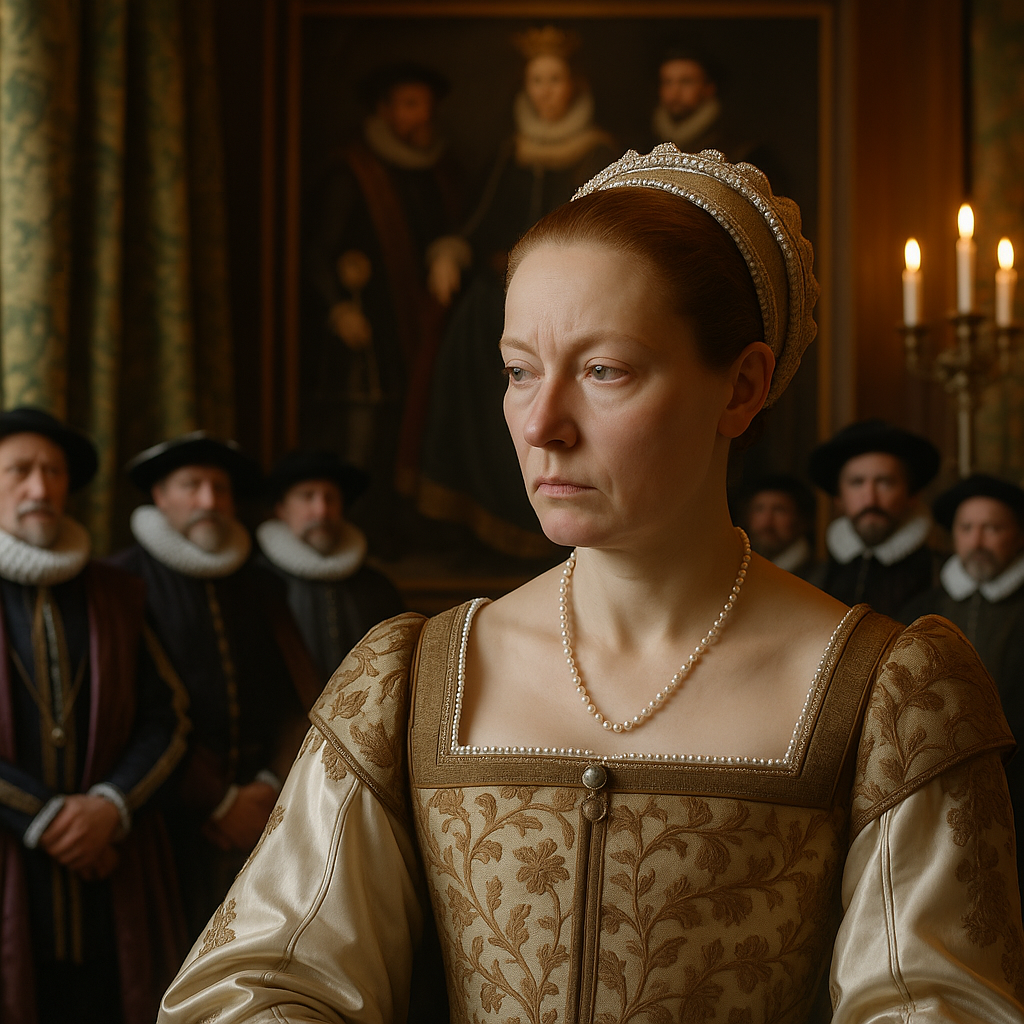
Catherine de’ Medici: Architect of Influence in the French Wars of Religion
Explore how Catherine de’ Medici skillfully navigated the brutal French Wars of Religion, shaping political alliances and religious policies during one of France’s most turbulent eras.
-
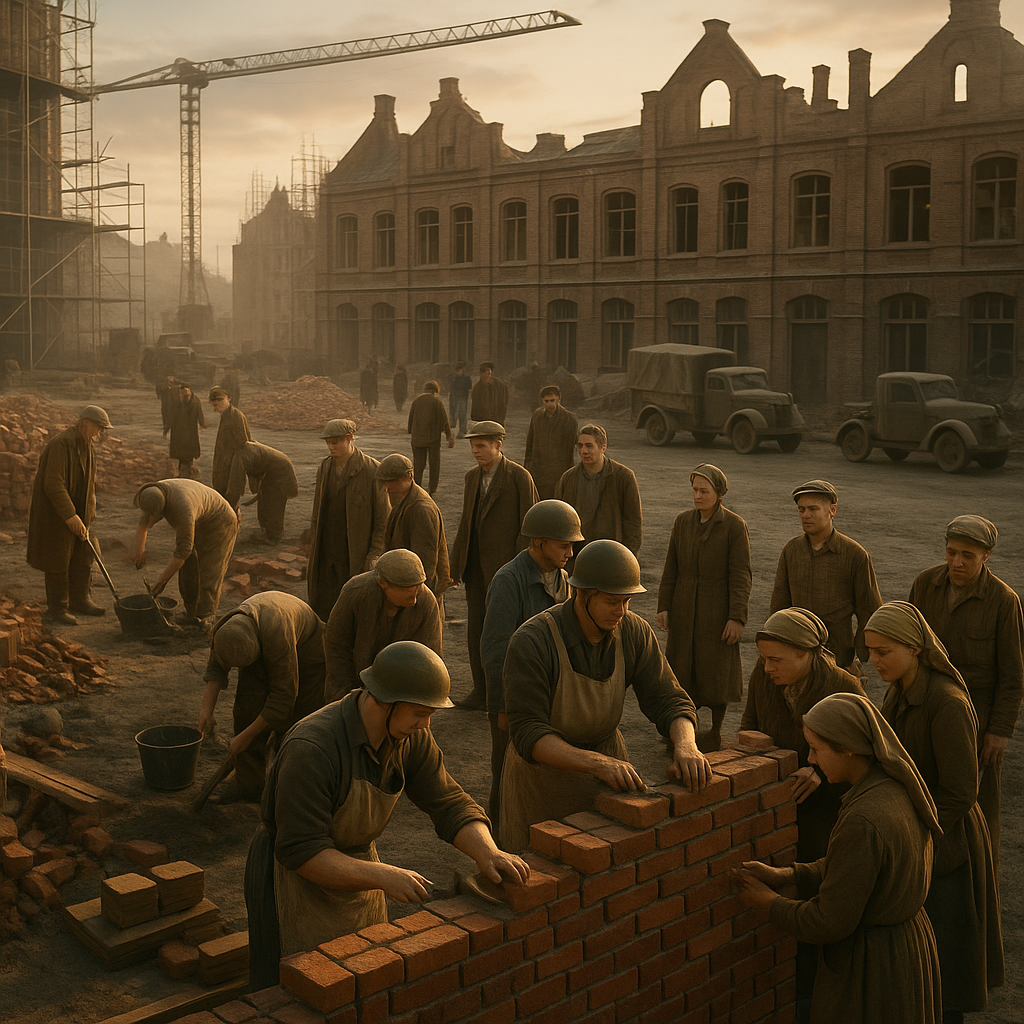
Rebuilding Europe: The Economic Impact of the Marshall Plan After World War II
Explore how the Marshall Plan sparked unprecedented economic recovery and political stability in war-torn Europe after 1945, transforming the continent’s future.
-
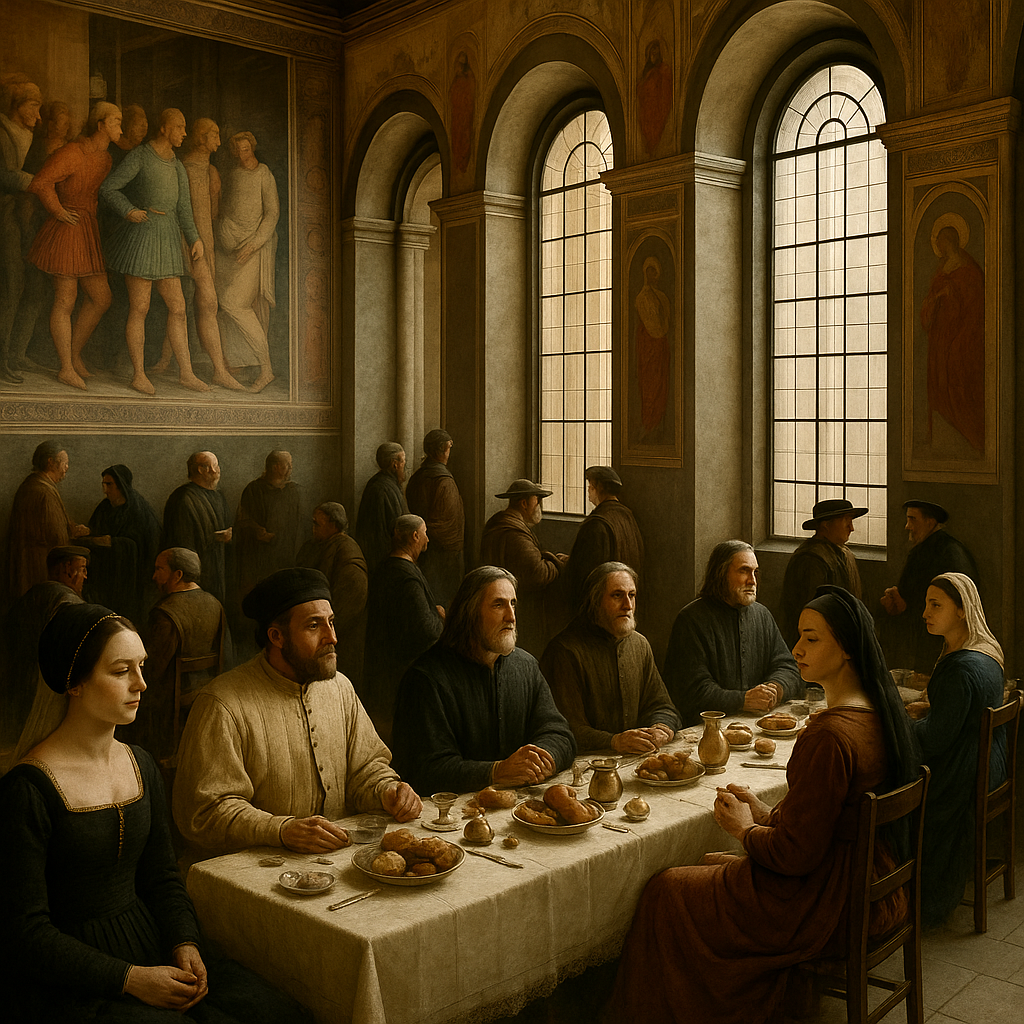
The Medici Family: Architects of the Renaissance’s Cultural Revival
Explore how the Medici family’s patronage and political influence ignited the cultural explosion known as the Renaissance, transforming art, politics, and society in Florence and beyond.
-

How the Dutch East India Company Transformed Global Trade Networks
The Dutch East India Company reshaped global commerce in the 17th century, pioneering new trade routes and economic practices that influenced the modern world.
-

How the Tokugawa Shogunate Crafted Japan’s Edo Period Stability
Explore how the Tokugawa shogunate established over two centuries of peace and order during Japan’s Edo period through strategic governance, social structure, and isolation policies.
-
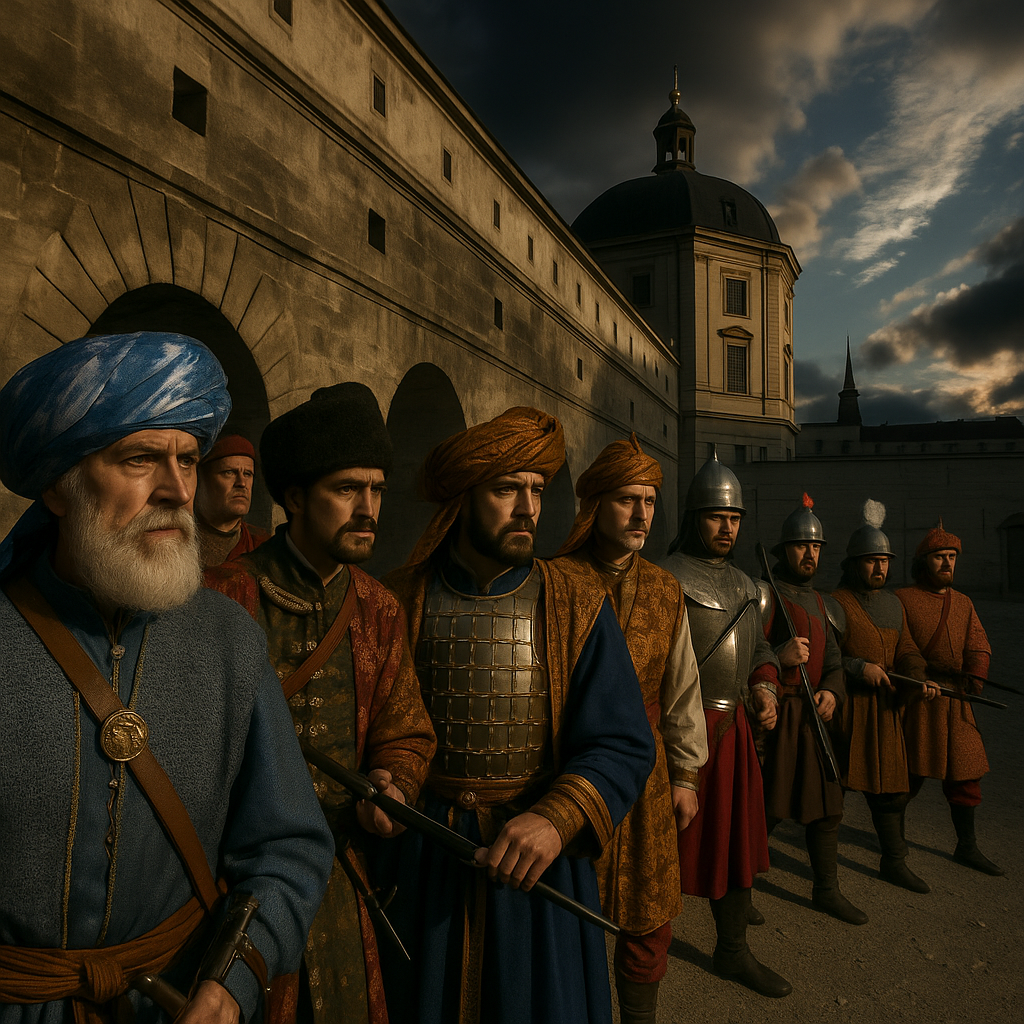
The Siege of Vienna 1683: A Defining Moment in European History
The 1683 Siege of Vienna marked a decisive battle that halted Ottoman expansion into Europe, showcasing heroic defense and pivotal alliances shaping the continent’s future.
-

The Disaster Year 1672: Political Upheaval and Survival in the Dutch Republic
Explore how the Dutch Republic’s political stability was shattered in 1672 by invasion and internal strife, leading to monumental changes in governance and resilience against overwhelming odds.
-

The 1612 Expulsion of the Moriscos from Valencia: A Turning Point in Spanish Political and Social History
Explore the 1612 expulsion of the Moriscos from Valencia, a pivotal yet often overlooked early modern event that reshaped Spain’s political landscape and regional identities.
-

Tulip Mania in the Dutch Republic: The First Major Financial Bubble and Its Sudden Collapse
Explore the fascinating tale of Tulip Mania in 1630s Holland, the early modern world’s first speculative economic bubble and its dramatic impact on Dutch society and economy.
-

The 1625 English Parliamentary Crisis: John Eliot’s Role and the Struggle for Parliamentary Privilege
Explore the 1625 English Parliamentary Crisis, where John Eliot emerged as a pivotal figure in the early Stuart struggle for parliamentary rights against royal authority.
-

The Iberian Union: Political Intrigue and Cultural Transformations in Early Modern Spain and Portugal
Explore the 60-year Iberian Union, a unique political merger between Spain and Portugal, revealing its complex political intrigues, colonial consequences, and lasting cultural impact in Early Modern Europe.
-

The English Civil War: Causes, Conflict, and the Execution of King Charles I
The English Civil War was one of the most significant conflicts in British history, shaking the very foundations of monarchy and reshaping the political landscape of England. Between 1642 and 1651, factions loyal to King Charles I clashed with forces supporting Parliament, leading to a brutal and complex conflict that ended with the radical trial…
-
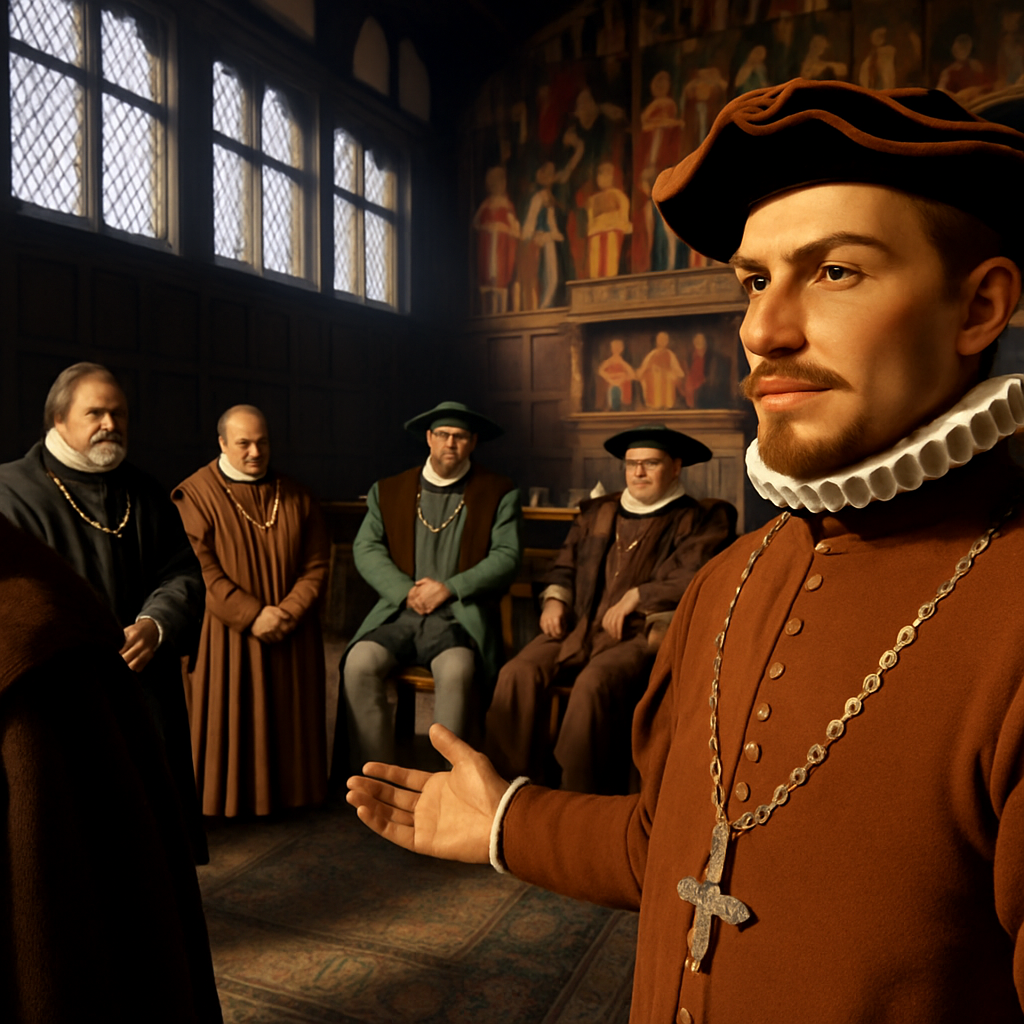
The English Reformation: How Henry VIII Reshaped Religion and Power in Tudor England
The English Reformation under Henry VIII represents one of the most pivotal transformations in early modern European history. Triggered by the king’s personal and political needs, this movement fundamentally altered the religious, political, and social structure of England. Far beyond a mere religious schism, the English Reformation established the Church of England and shifted the…
-
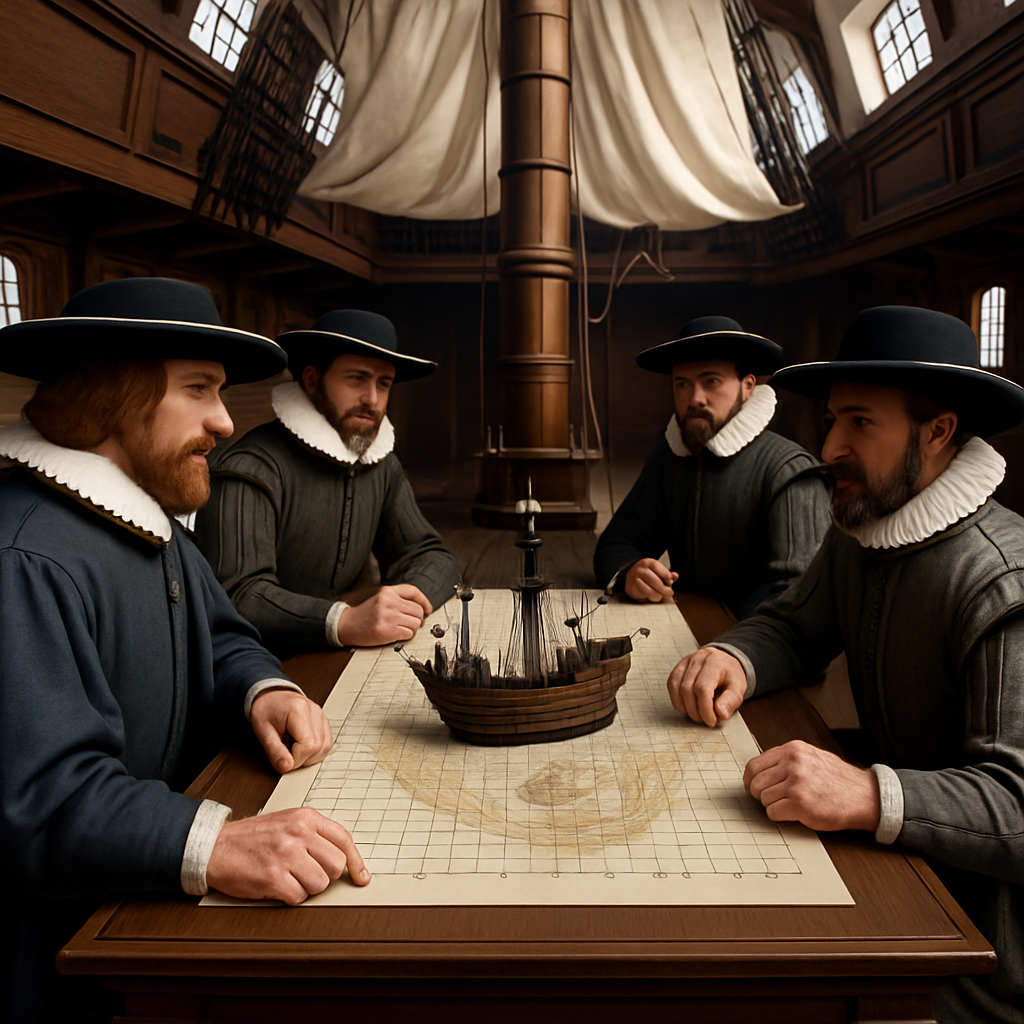
The Spanish Armada of 1588: A Turning Point in European Naval Power
The Spanish Armada of 1588 is one of the most famous naval campaigns in history, symbolizing a significant turning point in the contest for dominance over the seas between the great powers of Europe. Commissioned by King Philip II of Spain, the Armada was intended to overthrow Queen Elizabeth I of England and restore Catholicism.…
-
The Glorious Revolution of 1688: How England’s Bloodless Coup Changed the Monarchy Forever
The Glorious Revolution of 1688 stands as one of the pivotal moments in British history, marking a peaceful, yet profound shift in power that forever altered the monarchy and its relationship with Parliament. Unlike many revolutions defined by bloodshed and upheaval, the Glorious Revolution earned its name by achieving its goals with minimal violence, emphasizing…