The Gunpowder Plot of 1605: Conspiracy, Faith, and the Fate of English Catholics
The Gunpowder Plot of 1605 failed within hours, and its collapse shaped the lives of English Catholics for more than a century.

On a chill November morning in 1605, the guards of Westminster Palace made a discovery that nearly changed the course of English history forever. Hidden in a cellar beneath the House of Lords, barrels of gunpowder and a single, watchful man—Guy Fawkes—stood ready to ignite not only explosives, but the religious struggle dividing the kingdom. The Gunpowder Plot was not merely a failed act of terrorism; it was a symptom of long-festering religious tensions and a desperate gamble by England’s Catholics for a return to tolerance.
Seeds of Conspiracy: Catholic Despair under King James I
When James VI of Scotland became James I of England in 1603, English Catholics entertained cautious hope. Elizabeth I's long Protestant rule had forced Catholicism into the shadows, but James’s Scottish upbringing—deemed less zealously Protestant—sparked rumors of a softer policy. These dreams were swiftly dashed. Parliament pressed James for even harsher anti-Catholic laws, enforcing fines for recusancy and banning Catholic rites. Imprisonment, social exclusion, and the grisly threat of execution haunted Catholic lives.
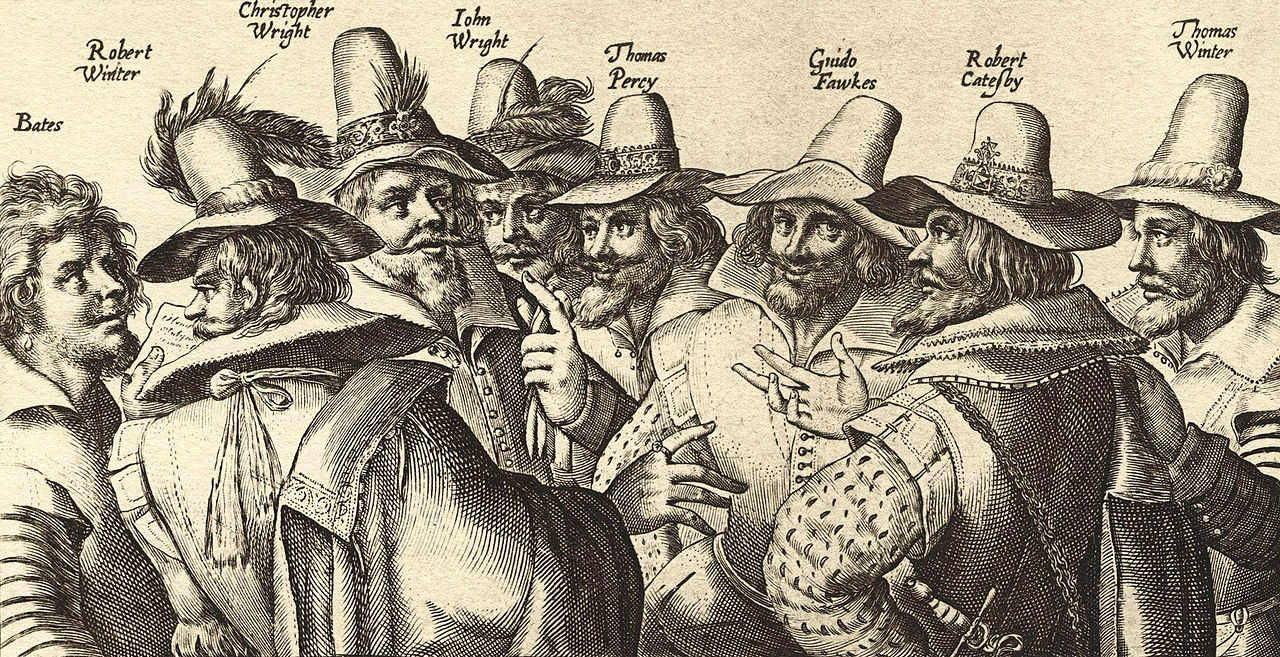
Frustration bred radicalism among some of the oppressed. Robert Catesby, a charismatic Catholic gentleman, believed only dramatic action could break parliamentary persecution. In early 1604, Catesby pooled a group of confidants who shared his vision: Thomas Wintour, Jack Wright, and Guy Fawkes—a soldier with experience fighting for Catholic Spain, his hands familiar with gunpowder and his heart burning with faith.
Why 1605? The Collapse of Catholic Hope
Catesby's turn to violence had a timetable, and much of it was set by events beyond the conspirators' control. In 1604 a royal proclamation ordered Jesuits and seminary priests out of the kingdom, and recusancy fines, briefly slackened at the start of the reign, were pressed again in earnest. That same year James concluded peace with Spain, ending nearly two decades of war. For Catholics who had looked to a Catholic great power for deliverance, the treaty closed the last route to relief from outside; the penal machinery inherited from the English Reformation would now be dismantled from within or not at all.
Catesby had already learned what failure cost: he joined the Earl of Essex's rising against Elizabeth in 1601, was captured, and was fined so heavily that he had to sell an estate to pay it. Petition, patience and foreign pressure had each failed by then; the plot was not the opening move of a confident Catholic resistance but the last resort of men who had watched every other avenue close.
The Clockwork Plot: Planning, Tunnels, and Treason
With chilling precision, Catesby’s circle shaped their plan: destroy King, Lords, and Commons in one thunderous act by igniting the House of Lords on the opening day of Parliament. The hope? To plunge England into chaos, paving the way for a Catholic monarch—James’s daughter, Princess Elizabeth. As London simmered in anticipation of Parliament’s return, the plotters leased an undercroft beneath Westminster.
Transporting thirty-six barrels of gunpowder under layers of firewood, Guy Fawkes monitored the cache, posing as the unremarkable servant "John Johnson." Months passed; Parliament's opening was delayed by plague and policy. With each postponement, fear of betrayal grew. More men—Christopher and John Wright, Thomas Percy, Robert Keyes—became entangled, each a fuse running to the powder kegs below.
The Fatal Letter: Betrayal and Unmasking
Every plot confronts fate. In late October 1605, Lord Monteagle, related to several conspirators, received an anonymous warning: "they shall receive a terrible blow this Parliament, and yet they shall not see who hurts them." Monteagle alerted authorities, who launched a discreet search beneath Westminster. On the night of November 4th, they found Fawkes, lantern in hand, guarding the deadly barrels.
Fawkes withstood torture for days before surrendering the names of his fellow plotters. Meanwhile, most conspirators fled north, seeking to incite a Catholic uprising. None materialized. As they reached Holbeche House, government men closed in. In a final, bloody shootout, Catesby fell with several others—ending the plot in gunfire, not flames.
Trial, Punishment, and the Weight of Treason
Those captured—including Fawkes—faced public trial in January 1606. The government seized the moment: guilt was made a spectacle. The condemned were dragged on hurdles, hanged, drawn, and quartered. Their heads decorated city gates and bridges, warning traitors for generations. James I, his regime shaken by its narrow escape, enacted the Oath of Allegiance, forcing Catholics to denounce papal power and outlawing Catholic education abroad. Paranoia escalated; clandestine priests risked everything to serve their flock.
The Gunpowder Plot’s brutality shocked Europe and deepened Protestant fear of Catholic "popery." Yet even loyal English Catholics, while horrified by the violence, understood the desperation behind it and dreaded further oppression. Intriguingly, some historians compare the plot’s aftermath to the violent religious responses seen elsewhere in the period, such as the Protestant resistance during the time of the Spanish Armada. The memory of the incident shaped anti-Catholic sentiment for centuries, fueling traditions like the burning of Guy Fawkes effigies every November 5th.
Priests, Silence, and the Argument That Never Ended
The reckoning reached beyond the men who handled the powder. Henry Garnet, superior of the English Jesuits, learned of a general design against the state from another priest under the seal of confession and argued against it without reporting it. He was tried in March 1606 and executed in St Paul's Churchyard that May. His death settled in public a question the government wanted settled — whether a priest's silence was itself treason — and hardened the long-lived assumption that the Jesuit mission and political conspiracy were one and the same.
The Oath of Allegiance cut in a subtler direction. By requiring Catholics to deny that the pope could depose a king, it forced a choice Rome refused to allow: the papacy condemned the oath, yet many English Catholics swore it. The result was a community divided against itself, its loyalists suspect to Rome and its refusers suspect to the Crown.
Historians have argued ever since about how much the government knew before the search. The Monteagle letter has never been convincingly attributed, and the convenience of its timing long fed the suspicion that Robert Cecil, Earl of Salisbury, let the plot ripen in order to harvest it. The surviving investigative record gives little support to that claim; it shows instead a regime improvising in the first hours, then making the most of a discovery it had not engineered.
Legacy: Faith, Freedom, and a Nation Divided
In the aftermath, new anti-Catholic laws ensured that Catholics would remain marginalized, unable to vote, own weapons, or attend university for more than a century. The Gunpowder Plot hardened divisions, turning "papist plot" into a byword for treason and fueling a culture of suspicion that would only begin to ease in the late 18th century. The exclusion was eventually written into the constitution: the settlement that followed the Glorious Revolution of 1688 barred a Catholic from the throne. The annual rituals recalling the failed plot, with bonfires and fireworks, etched Guy Fawkes into British folklore—not as a martyr, but as a perpetual warning.
Yet, beneath the symbolism, the plot resonates as a story about the limits of tolerance and the consequences of state repression. The age-old anxieties over faith, loyalty, and power in England echo through the cellars of Westminster, reminding us how a handful of desperate men—armed with barrels of gunpowder—could shake an entire nation. The Gunpowder Plot is a stark chapter in the history of resistance, faith, and state power, revealing how choices made in fear can shadow the destiny of a people.
Chronology of the Gunpowder Plot
| Date | Event |
|---|---|
| March 1603 | James VI of Scotland succeeds Elizabeth I as James I of England |
| 1604 | Royal proclamation orders Jesuits and seminary priests out of the kingdom; recusancy fines are pressed again, and England concludes peace with Spain |
| Spring 1604 | Catesby recruits Thomas Wintour, Jack Wright and Guy Fawkes |
| 1604–1605 | The plotters lease an undercroft beneath the House of Lords, hide thirty-six barrels of gunpowder under firewood, and wait as Parliament's opening is repeatedly postponed |
| 26 October 1605 | Lord Monteagle receives the anonymous warning letter |
| 4–5 November 1605 | Fawkes is found guarding the powder beneath Westminster and arrested |
| 8 November 1605 | Catesby and several others are killed at Holbeche House |
| January 1606 | Trial of the surviving conspirators; the condemned are hanged, drawn and quartered |
| March–May 1606 | Henry Garnet is tried and executed; Parliament enacts the Oath of Allegiance |
Frequently asked questions
Why did English Catholics expect better treatment from James I? Elizabeth I's long Protestant rule had driven Catholic worship underground, and James's Scottish upbringing was widely thought to have made him less zealously Protestant. Rumours of a softer policy circulated in 1603. Parliament pushed the other way almost immediately, pressing for harsher anti-Catholic laws, and by 1604 the hope had collapsed.
What did the plotters intend to happen after the explosion? Destroying King, Lords and Commons together was meant to decapitate the Protestant state in a single act. In the confusion the conspirators hoped to install James's daughter, Princess Elizabeth, as a Catholic monarch, supported by a rising in the country. When the plotters fled north to raise that rising, no one joined them.
How was the plot actually discovered? In late October 1605 Lord Monteagle, related to several of the conspirators, received an anonymous letter warning that Parliament would "receive a terrible blow" without seeing who struck it. He passed it to the authorities, who searched the vaults beneath Westminster and found Guy Fawkes with a lantern beside the barrels on the night of 4 November.
How did the failed plot change life for English Catholics? The government answered with the Oath of Allegiance, which required Catholics to deny the pope's power to depose a king, and with laws barring Catholic education abroad. Further penal legislation kept Catholics from voting, owning weapons or attending university for more than a century. The annual bonfires of 5 November kept the memory, and the suspicion, alive long after the men themselves were forgotten.
Bibliography
- A True and Perfect Relation of the Whole Proceedings against the Late Most Barbarous Traitors. 1606.
- Questier, Michael. Catholicism and Community in Early Modern England. Cambridge University Press, 2006.
- The Monteagle Letter. 1605.
- The National Archives. The National Archives, United Kingdom.
Recommended reading
Faith and Treason: The Story of the Gunpowder Plotthe standard narrative account, unusually attentive to the conspirators' own religious motives.
View on Amazon →: Faith and Treason: The Story of the Gunpowder Plot
Investigating Gunpowder Plota close reading of the government's investigation and what the surviving records really show.
God's Secret Agents: Queen Elizabeth's Forbidden Priests and the Hatching of the Gunpowder Plottraces the clandestine priests whose world produced both the mission and the plot.
Remember, Remember: A Cultural History of Guy Fawkes Dayexplains how a failed conspiracy became a national ritual of anti-Catholic memory.
View on Amazon →: Remember, Remember: A Cultural History of Guy Fawkes Day
Reformation Divided: Catholics, Protestants and the Conversion of Englandsets the plot within the longer struggle over English Catholic identity and survival.
View on Amazon →: Reformation Divided: Catholics, Protestants and the Conversion of England
As an Amazon Associate I earn from qualifying purchases. Affiliate links in Recommended reading — and in Further reading on older articles — may earn Writesides of History a commission at no extra cost to you.
From the archive
Free for the curious, supported by you
Writesides of History publishes free, in-depth history articles every week. If you enjoy reading, you can support the work: become a member for exclusive deep-dive dossiers and early access, or browse the maps, classroom packs and dossiers in the shop.
Become a Member Donate Visit the Shop