Category: Modern History
-

Napoleon and Alexander I at Tilsit: Diplomacy, Ambition, and the Fate of Europe, 1807
At Tilsit in 1807, two emperors—Napoleon and Alexander I—redrew the map of Europe. Their secretive negotiations marked a turning point in the Napoleonic era and the destinies of empires.
-
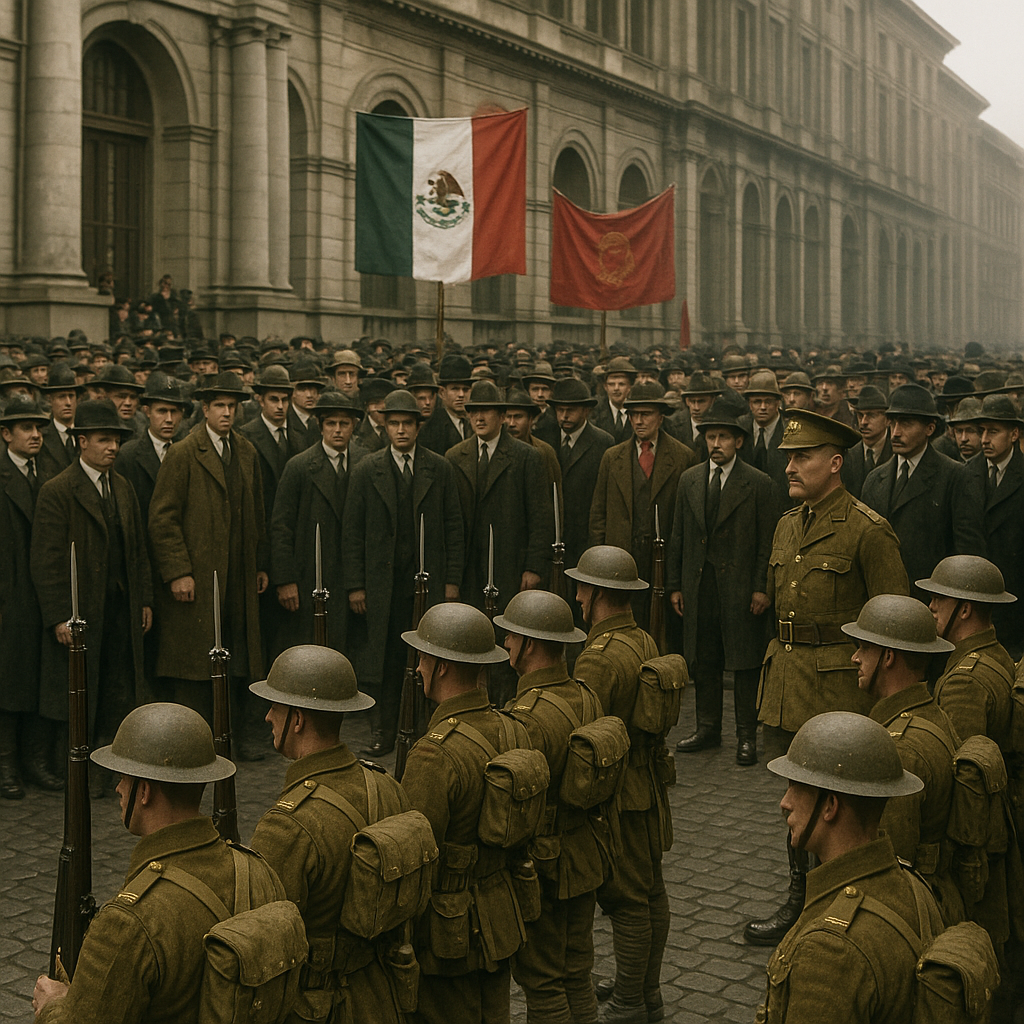
The Zimmermann Telegram: The Coded Message That Pulled America into World War I
In 1917, the Zimmermann Telegram changed the course of World War I, drawing the United States into the conflict and reshaping the global balance of power.
-
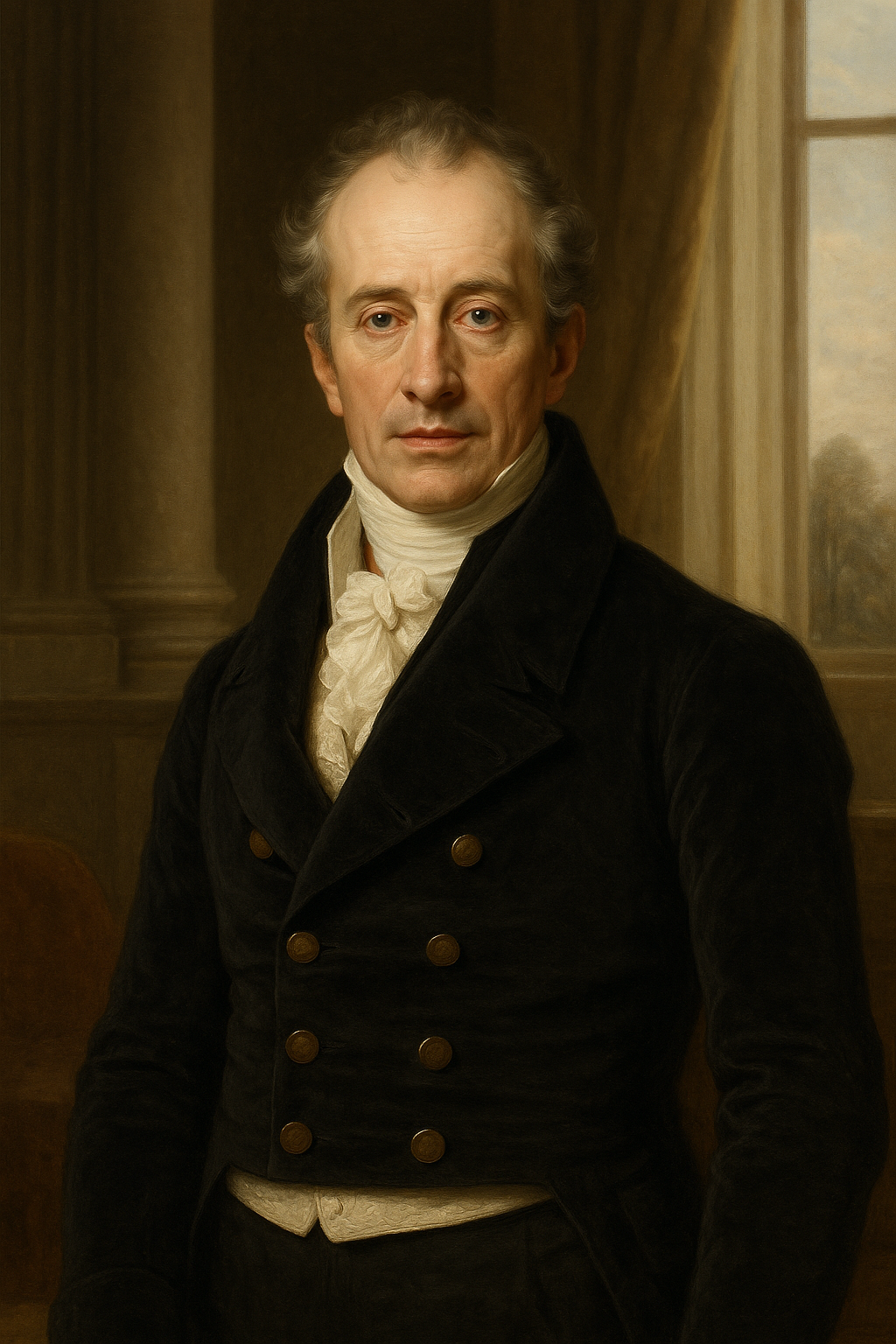
The Congress of Vienna: Negotations That Shaped Post-Napoleonic Europe
Explore how the Congress of Vienna’s diplomatic maneuvering and dramatic personalities forged a new European balance of power after the fall of Napoleon.
-

The Luddites: Machine-Breakers of England’s Industrial Dawn
Discover how the Luddites rose up against England’s first industrial machines, targeting textile mills and confronting rapid change during the turbulent early 1800s.
-
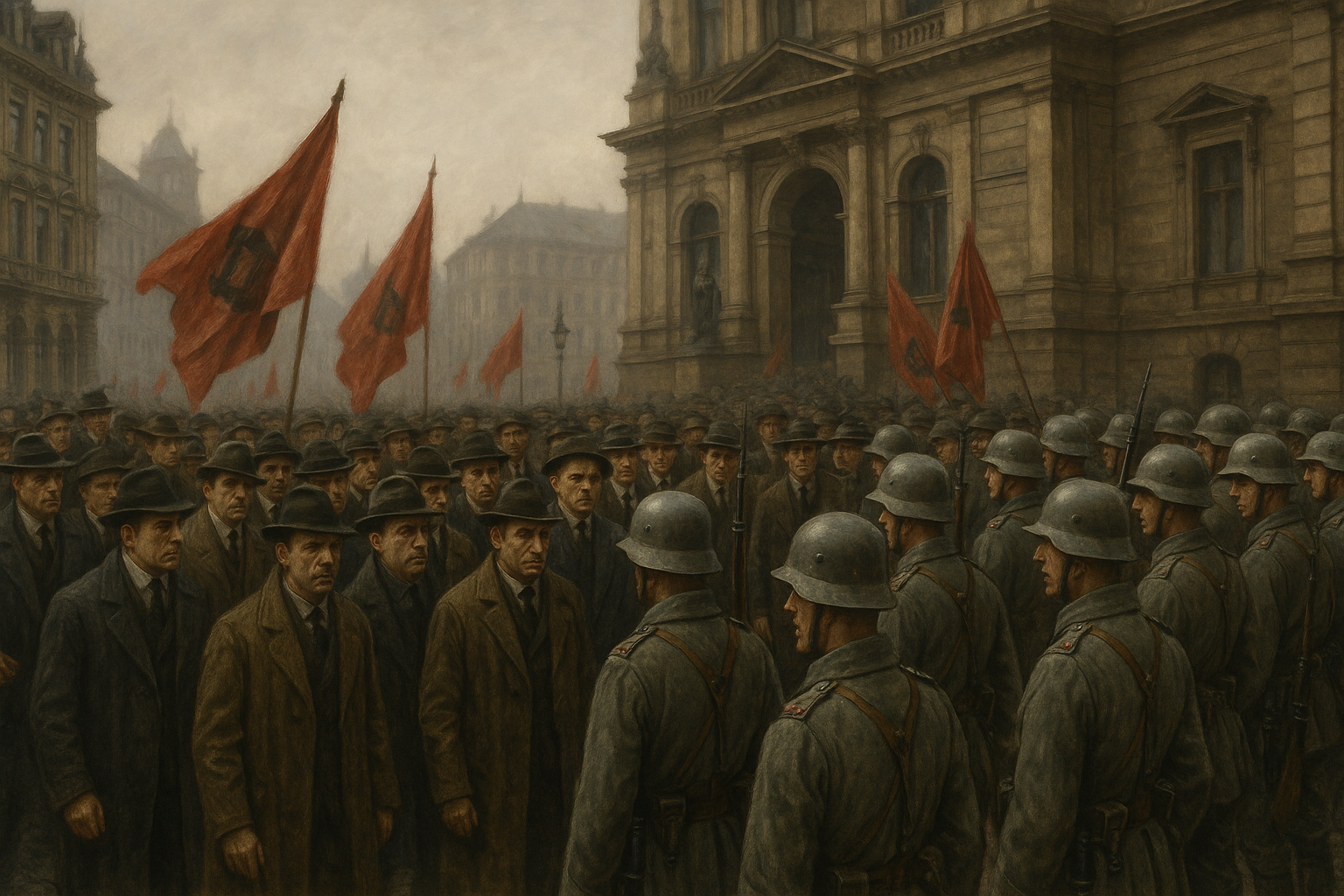
The Dawes Plan of 1924: Reviving Weimar Germany’s Economy
Explore how the Dawes Plan of 1924 stabilized Weimar Germany, mended Franco-German relations, and set the stage for economic recovery amid postwar European tensions.
-

The Meiji Restoration: Revolution and the Fall of Japan’s Samurai Class
Discover how the Meiji Restoration transformed Japan, leading to the dissolution of the samurai class and shaping a modern nation through political, social, and economic upheaval.
-
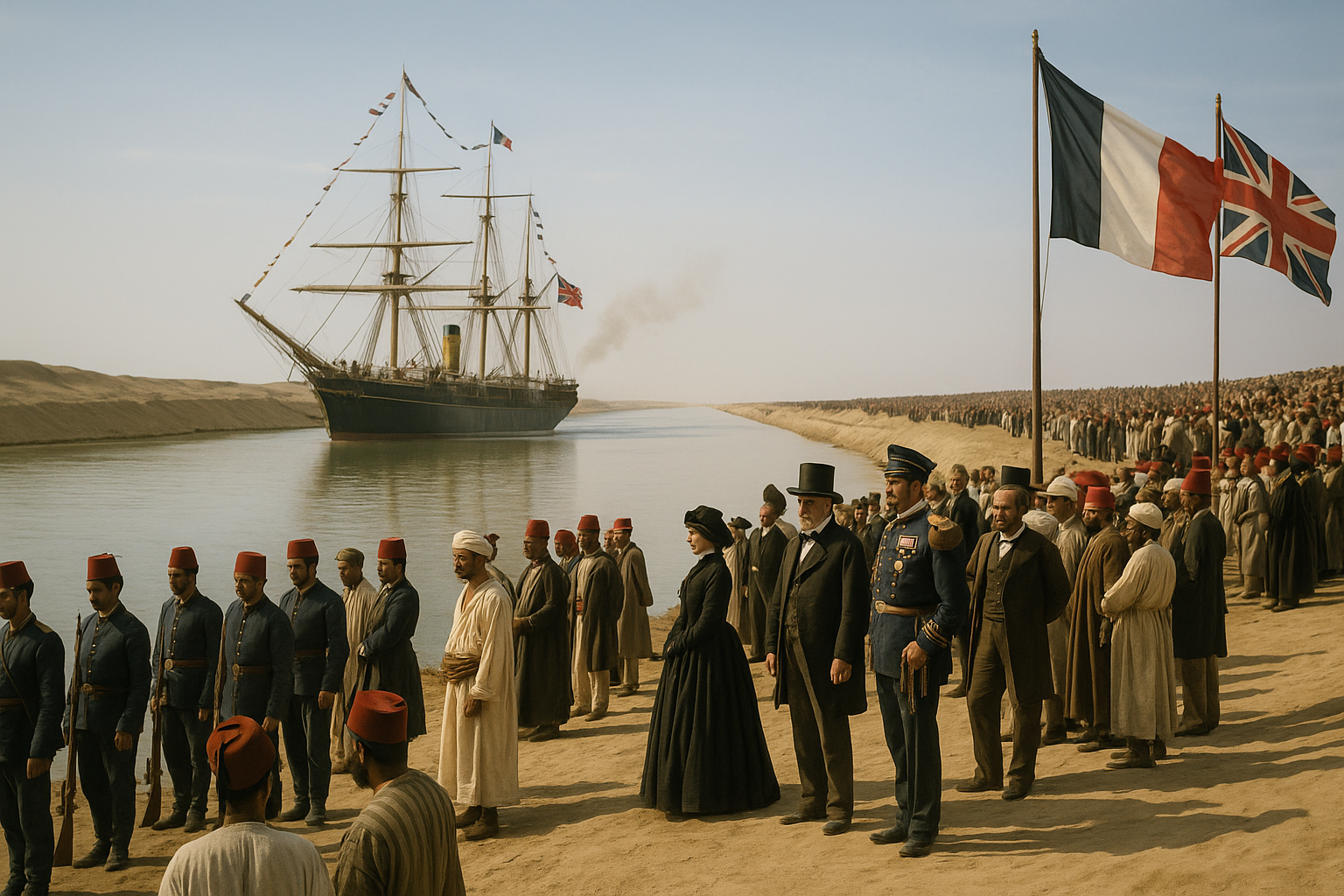
The Opening of the Suez Canal 1869: Crossing Empires at the World’s New Gateway
The Suez Canal transformed global trade and geopolitics upon its momentous 1869 opening. Explore the personalities, negotiations, and consequences surrounding this revolutionary passageway between continents.
-

The Humanitarian Front: The Role of the Red Cross in World War I
Explore how the Red Cross transformed wartime aid during World War I, providing crucial medical care, relief, and hope amid widespread devastation.
-

The Fall of the Berlin Wall: End of an Era and the Dawn of German Unity
Explore the historic collapse of the Berlin Wall in 1989, a pivotal event that symbolized the end of the Cold War and paved the way for German reunification.
-

The Berlin Airlift: A Defining Moment at the Dawn of the Cold War
The Berlin Airlift of 1948–1949 marked the first major crisis of the Cold War, showcasing Western resolve against Soviet pressure and setting the stage for decades of geopolitical tension.
-
The Fall of the Berlin Wall: A Defining Moment in Modern History
The fall of the Berlin Wall on November 9, 1989, remains one of the most significant turning points in 20th-century history. This event not only marked the collapse of the physical barrier separating East and West Berlin but also symbolized the end of the Cold War era. It ushered in a new chapter for Germany,…
-

The battered relationship between the English and the Irish
The Tudor dynasty is quite well known to many people for various reasons. Of course, most people know the reign of terror of Henry VIII, who left a trail of destruction with his series of marriages, exhausted the English treasury due to the many wars he waged, and the extravagant court and tournaments he maintained.…
-

The Raid on Dutch soil
Early 1940, The Netherlands was still building their defense against a possible raid from Hitlers Germany. In the middle section of the Eastern border, they build the so called Maaslinie, supported with the “Peel-raamstelling”, a defensive line containing rather small concrete fortifications called “kazematten” from which fixed machinegunfire could be launched upon the enemy approaching.…