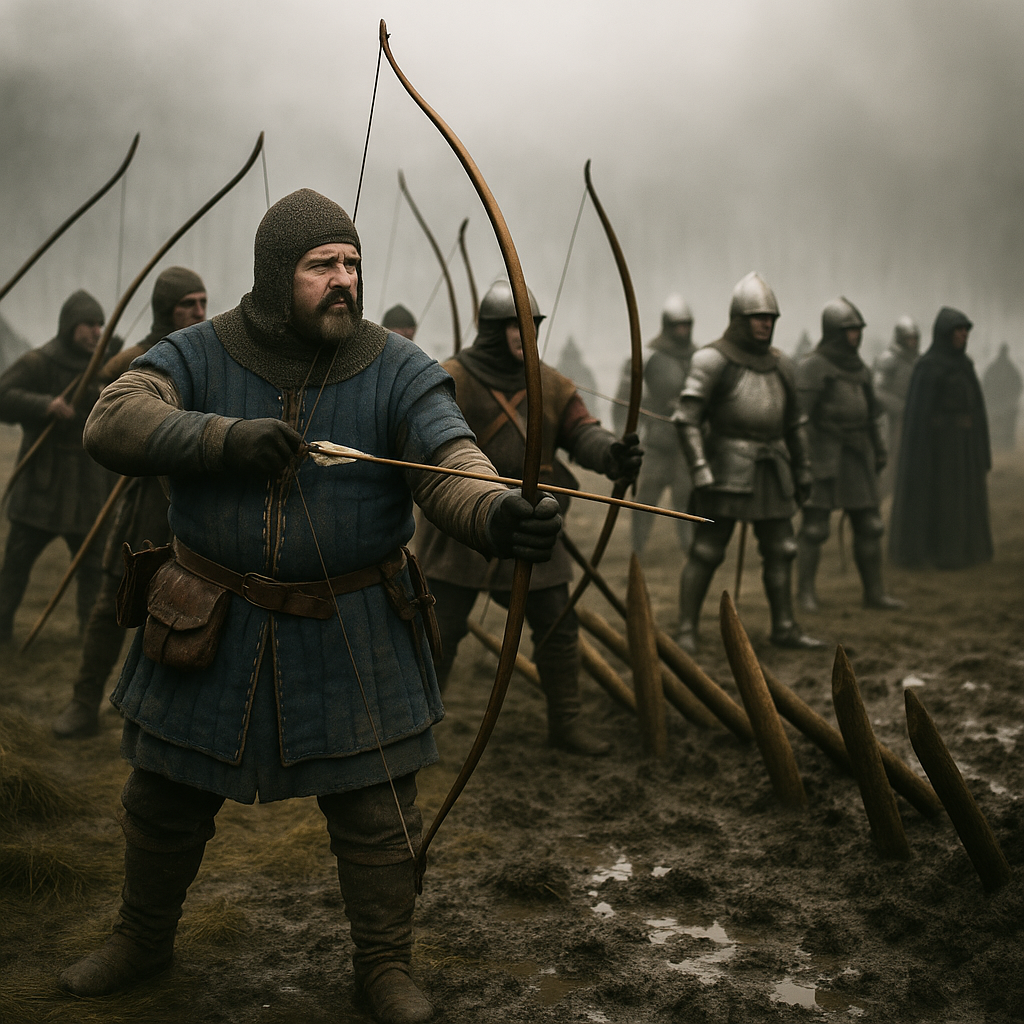
The medieval world, spanning roughly from the 5th to the late 15th century, was a period shaped by political fragmentation, religious authority, and gradual transformation. Following the fall of the Roman Empire, new power structures emerged across Europe, while influential states and empires developed throughout the Middle East, Africa, and Asia.
Far from being a static or isolated age, the medieval period was marked by movement, exchange, and conflict. Systems such as feudalism and medieval governance defined social and political organization, while long-distance trade routes connected distant regions. At the same time, large-scale conflicts—including the Crusades and religious wars—reshaped territories and identities across continents.
This category explores the complexity of medieval societies, from everyday life and economic change to warfare, belief systems, and the gradual emergence of centralized states. By examining long-term developments such as the transition from feudal structures to stronger kingdoms, we gain insight into the foundations of the early modern world.
Explore articles on the Medieval World::
- The Investiture Controversy: Power Struggles in Medieval Germany
 Discover how the Investiture Controversy ignited a fierce conflict between the Holy Roman Empire and the Papacy, forever altering the course of medieval Germany and the boundaries between church and state.
 - Banking Power and Florentine Glory: The Rise of the Medici Bank
 Discover how the Medici Bank revolutionized finance, shaped Florentine politics, and laid the groundwork for the Renaissance, transforming both banking and European history.
 - The Fall of Constantinople 1453: The End of Byzantium and Dawn of a New Era
 Explore how the 1453 Fall of Constantinople marked the collapse of Byzantium, reshaped Mediterranean geopolitics, and ignited the Age of Exploration.
 - How the Mongol Empire Reshaped Medieval Eurasia: Conquest, Trade, and Cultural Exchange
 Explore the transformative impact of the Mongol Empire in medieval Eurasia, from its vast conquests to fostering trade and cultural connections across continents.
 - The Alhambra Palace: Architectural Marvel and Symbol of Nasrid Power in Medieval Granada
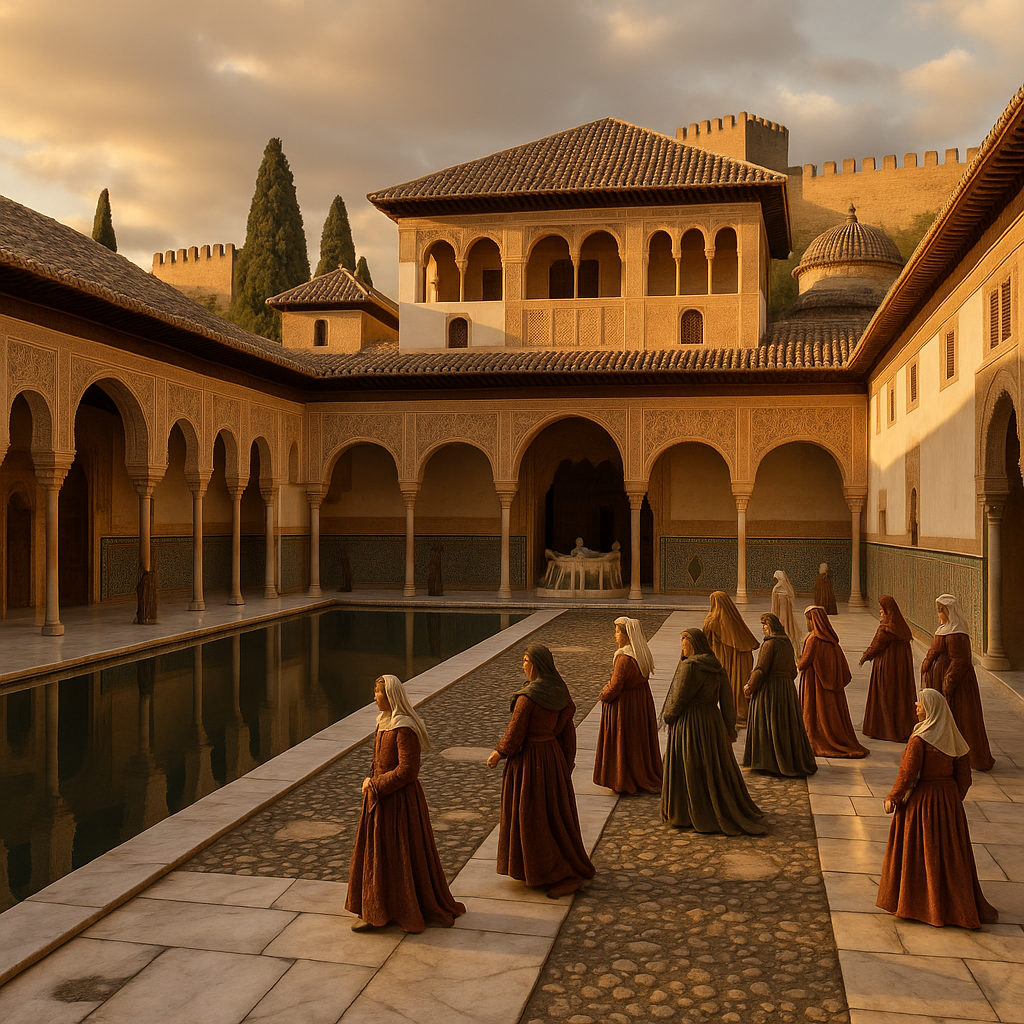 Explore the history and significance of the Alhambra Palace, a masterpiece of Nasrid architecture symbolizing the political and cultural heights of medieval Granada.