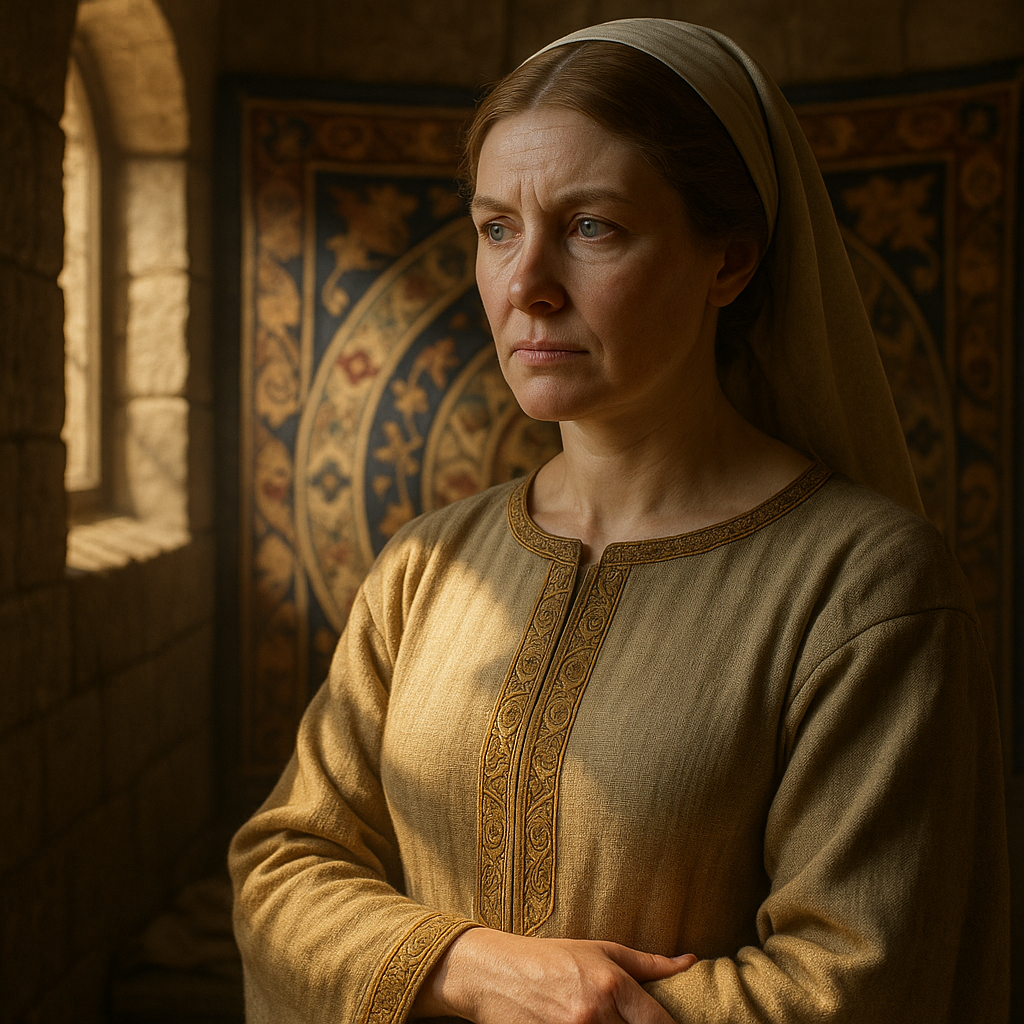
The Crusades have long been characterized as a series of brutal conflicts dominated by knights and kings, fought on foreign soil by armies of men driven by faith and ambition. Yet beneath this popular narrative lies a profound and nuanced story about the roles women played during these centuries-long campaigns. Far from passive bystanders, women were vital agents shaping the Crusades’ social, military, and political landscapes. Understanding their contributions reveals a richer and more complex history of these medieval holy wars.
Women on the Crusader Home Front
For many women in Europe, the departure of their husbands, fathers, or brothers on crusade transformed their daily lives completely. Noblewomen, often left to manage estates and ensure the survival of their households, stepped into roles traditionally reserved for men. They oversaw agricultural production, administered justice on behalf of absentee lords, and even negotiated local disputes to maintain peace on their lands. This heightened responsibility empowered some women to wield authority—and in a few cases, it forged political careers that extended beyond the period of the Crusades.
Additionally, women cultivated important networks of communication and support. They coordinated the collection of funds, supplies, and knights to send to the front lines. Convent communities became hubs of organization, producing letters and managing resources for crusader campaigns. These parallel efforts were crucial for sustaining the armies thousands of miles distant in the Levant.
The Journeys and Roles of Women Crusaders
While less common than men, many women made the dangerous journey to the Holy Land themselves. These ranged from noblewomen accompanying their husbands or fathers to independent female pilgrims determined to visit sacred Christian sites. Some aristocratic women traveled with their retinues, often taking on diplomatic duties, fostering alliances, or even engaging in direct political negotiations with local rulers — both Christian and Muslim.
One extraordinary example is Queen Melisende of Jerusalem, who not only ruled but actively participated in the defense and governance of the Crusader Kingdom. Her leadership underscored the fact that women could hold sovereign authority amidst the gendered constraints of their time. Other women served as camp followers, nurses, or providers of medical care, their contributions vital on the battlefield’s periphery.
Religious Women and the Crusading Spirit
Convents and nuns played a unique and powerful role in Crusading culture. Many religious women encouraged the crusading zeal through prayers, sermons, and the production of hagiographies glorifying crusader saints. Some even advocated for crusades or supported recruitment through their spiritual influence.
Notably, the development of military orders such as the Order of St. John (Knights Hospitaller) included female members who served in caregiving roles, tending to wounded knights and pilgrims. These women combined religious devotion with practical service, embodying a critical humanitarian dimension often overshadowed by tales of martial valor.
The Impact of Women in Post-Crusade Societies
The influence of women extended beyond the immediate Crusader period. The marriages they arranged, the estates they managed, and the cultural links they maintained shaped relations between East and West. Some women fostered trade, facilitated cultural exchange, and contributed to the establishment of new social norms within Crusader states and in Europe upon their return.
Moreover, the heightened visibility of women in administrative and social roles during the Crusades contributed to gradual shifts in medieval attitudes towards female agency and leadership. While these changes were uneven and limited, the Crusades offered a rare historical moment when women’s contributions in warfare and governance could not be easily ignored.
Conclusion: Reassessing the Narrative of the Crusades
Women in the Crusades were far more than passive backdrops to male heroism. They were essential architects of the crusading endeavor—managing estates, supporting armies, leading crusader states, and participating in religious life. These multifaceted roles challenge the traditional narrative that sidelines women’s historical significance in medieval warfare.
Recognizing women’s contributions enriches our understanding of the Crusades as a total social phenomenon involving the complexities of gender, power, and faith. As historical research continues to uncover more about these unsung protagonists, the medieval Crusades emerge not merely as battles for territory, but as vivid human dramas shaped equally by women’s enduring influence.
For broader context on medieval political dynamics during this period, readers may consult the political intrigue of the Byzantine Empire.