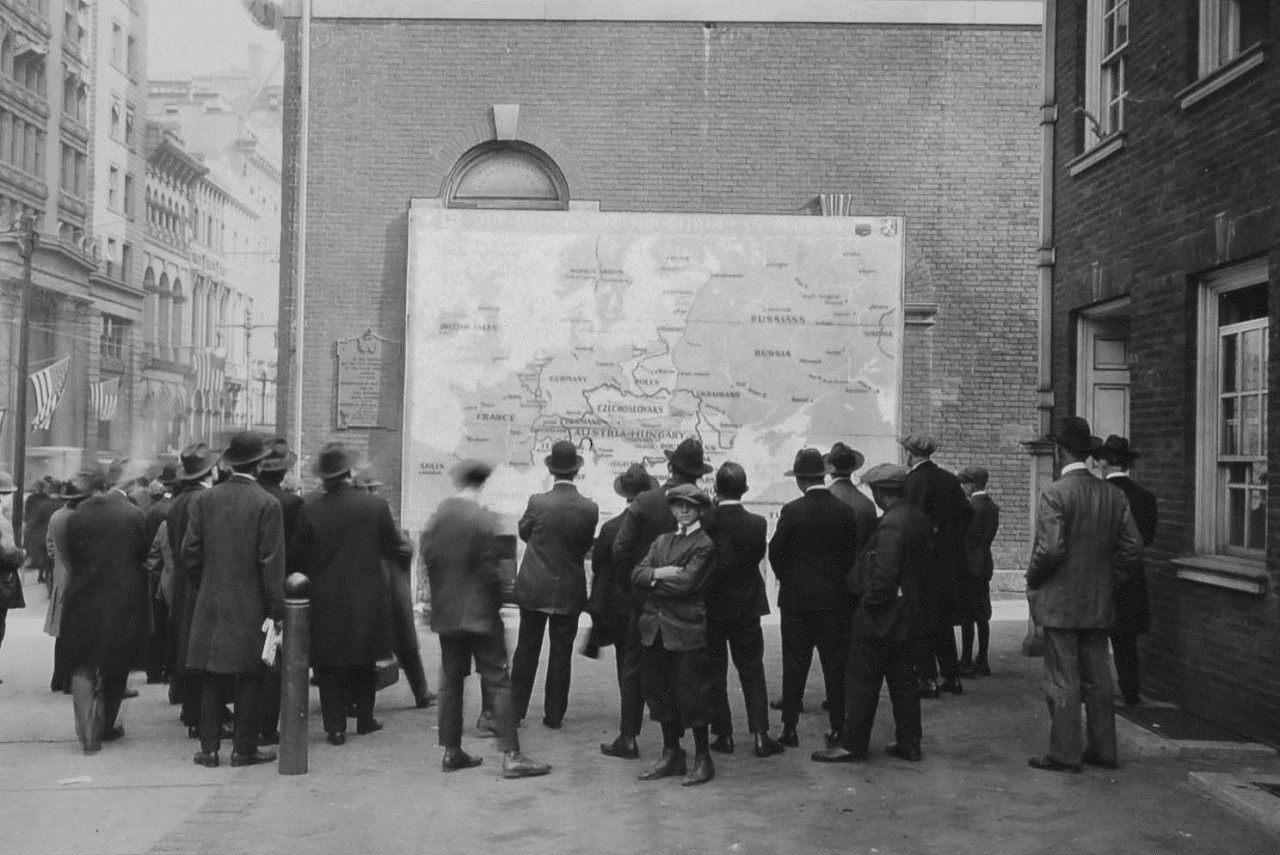
Modern history explores the period from the late 18th century to the present, an era defined by rapid political, economic, and technological transformation. Beginning with major turning points such as the industrial revolution and economic change, societies shifted from agrarian systems to industrialized nations, fundamentally altering how people lived and worked.
This period is also marked by large-scale conflict and ideological struggle. Events such as the World Wars and global conflict reshaped borders, economies, and international relations, while the Cold War and ideological tensions divided the world along political lines. At the same time, movements for independence led to widespread decolonization, creating new nations and redefining global power structures.
This category examines the forces that continue to shape the modern world, from technological innovation to political transformation. By exploring developments such as globalization, industrialization, and shifting power dynamics, we gain a deeper understanding of contemporary society and its historical roots.
Key articles on Ancient Civilizations, Empires, and Historical Developments:
- Digital Bureaucracies and the Expansion of European Governance: The Schengen Information System’s Impact, 1995–2010
 The Schengen Information System (SIS) radically transformed how European states shared security data, fostering new forms of digital bureaucracy and reshaping conceptions of sovereignty and governance between 1995 and 2010.
 - Computers, Contested Sovereignty, and the Birth of Automated Governance: The European Commission’s First Digital Transformation, 1970–1990
 Between 1970 and 1990, the European Commission’s leap into digital governance dramatically shifted internal structures, national power relations, and the very fabric of supranational governance in Europe.
 - From Kitchen to Kitchenette: The Transformation of Domestic Space and Everyday Life in Postwar Western Europe, 1945–1975
 Discover how the humble European kitchen evolved after WWII, reflecting changing gender roles, modernist ideals, and state-driven visions of society in the postwar decades.
 - NATO’s Nuclear Sharing Policy: Technology, Strategy, and Alliance Tensions, 1957–1987
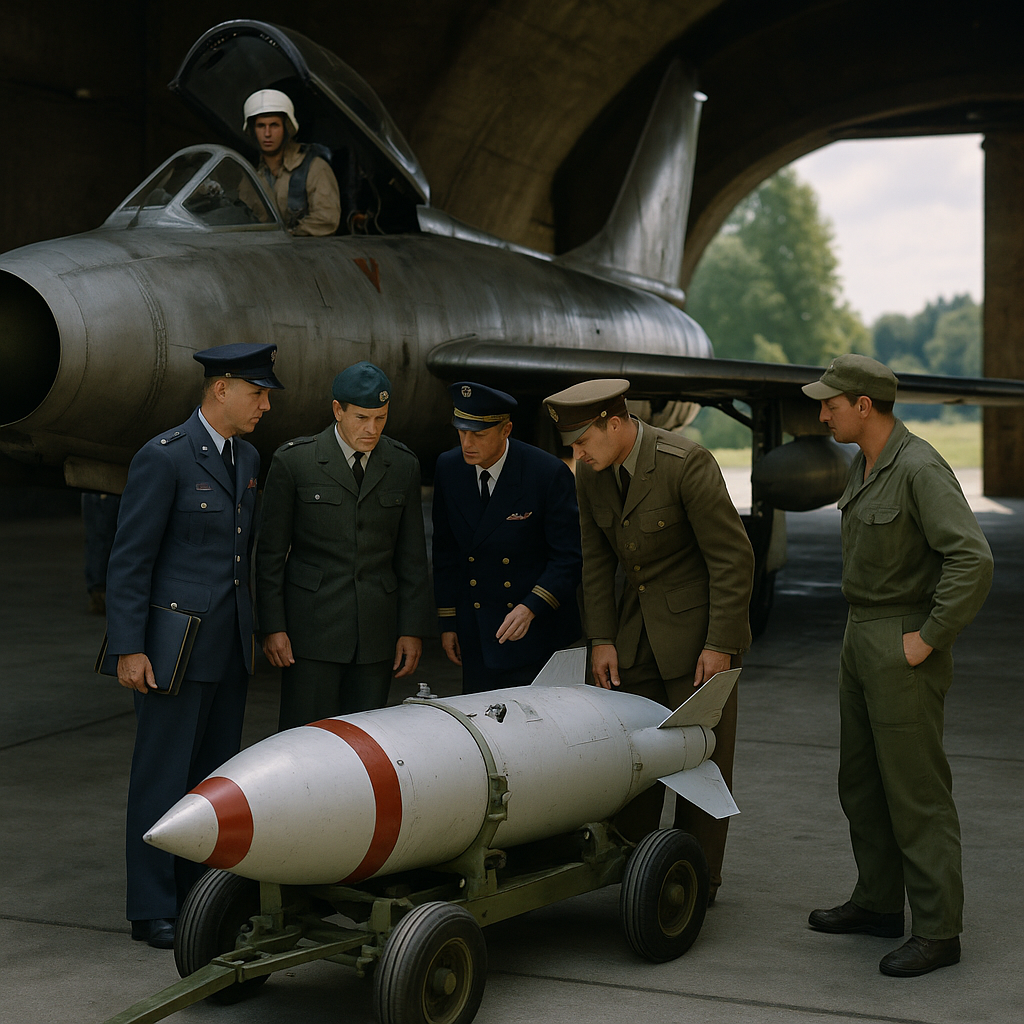 Explore the technological evolution, strategic calculations, and political frictions behind NATO’s nuclear sharing policy, and how it shaped alliances and societies between 1957 and 1987.
 - Television Diplomacy: The Global Impact of Kennedy and Khrushchev’s 1961 Vienna Summit Broadcasts
 The 1961 Vienna Summit between Kennedy and Khrushchev used television to reshape global diplomacy, public perceptions, and the conduct of superpower politics in the Cold War era.