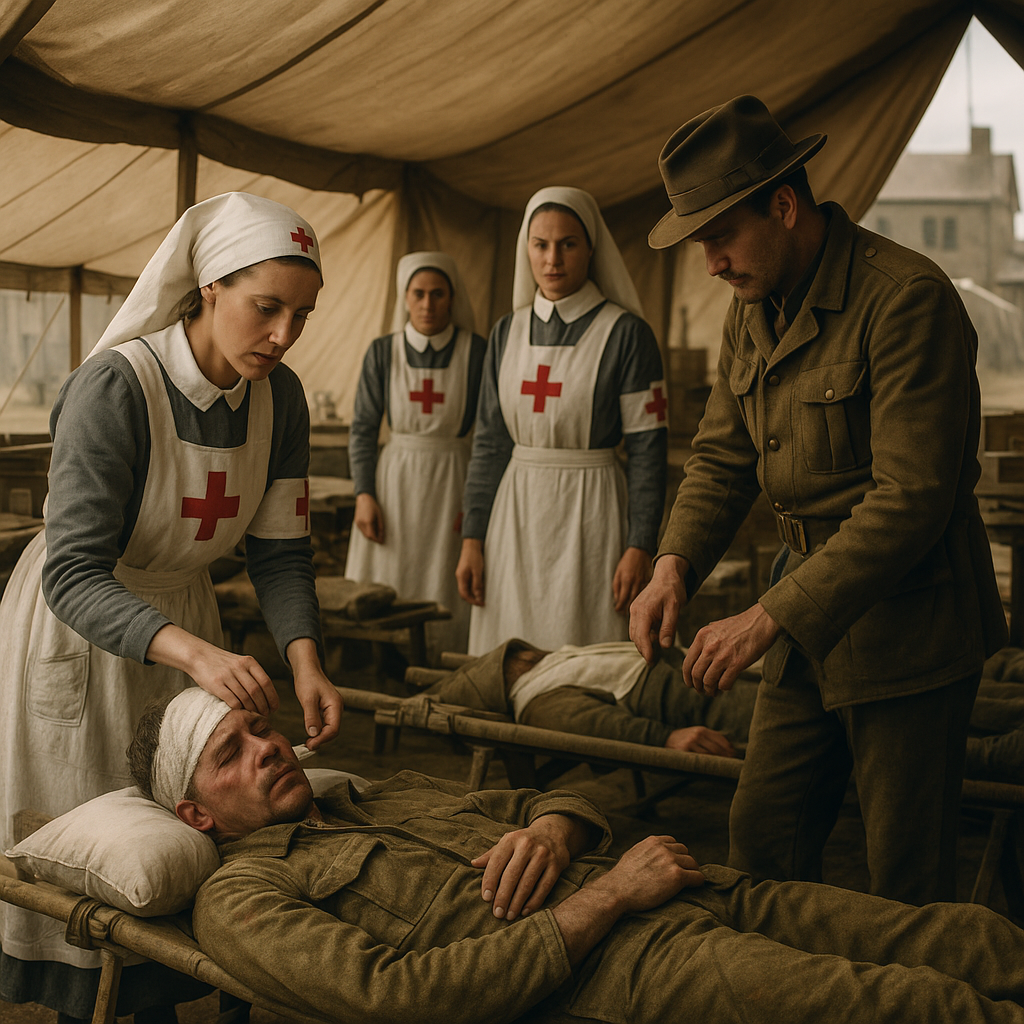
World War I, often dubbed the Great War, was a conflict of unprecedented scale and destruction. Amidst the trenches, chemical warfare, and mass casualties, the Red Cross emerged as a pivotal organization, redefining the bounds of humanitarian aid on the battlefield. This article examines the vital role played by the Red Cross during World War I, from its expansion and innovations in war medicine to the influence it had on international humanitarian law and postwar relief efforts.
The Red Cross Before the Great War
Founded in 1863 by Henry Dunant, the International Committee of the Red Cross (ICRC) had already established itself as a neutral organization dedicated to aiding wounded soldiers and prisoners of war. By 1914, the Red Cross was present in many nations, including the major combatants of the war. However, the scale of World War I demanded a vast escalation of their operations, stretching the organization’s capabilities and inspiring profound adaptations in how humanitarian aid was delivered in wartime.
Mobilizing a Global Network for War Relief
With millions of soldiers wounded or displaced, the Red Cross rapidly mobilized an international network of volunteers, medical personnel, and supply chains. National Red Cross societies — such as the American Red Cross, British Red Cross, and German Red Cross — coordinated closely while adhering to the principles of neutrality and impartiality. Their work ranged from establishing field hospitals near battle zones to organizing ambulance services and nursing corps, reflecting a monumental logistical challenge given the conditions of trench warfare and the fluid, expansive Western and Eastern Fronts.
The American Red Cross, under the leadership of Clara Barton’s successor, turned into a vital force in supplying the Allied forces with medical supplies and trained nurses, demonstrating an unprecedented scale of civilian mobilization for war support. This was mirrored by other societies, which sent relief packages to prisoners of war, helped locate missing soldiers, and supported families impacted by the war.
The Red Cross’s influence extended beyond military personnel. It provided aid to civilian populations suffering from famine, disease, and displacement — problems exacerbated by the war’s economic blockades and territorial devastation. Their holistic approach made the organization one of the most visible and respected humanitarian presences during the conflict.
Medical Innovations and Challenges
World War I ushered in new forms of warfare that inflicted devastating injuries, such as gas attacks and high-velocity gunshot wounds. The Red Cross hospitals and aid stations became testing grounds for medical breakthroughs. Techniques in triage, wound treatment, and reconstructive surgery developed rapidly, with Red Cross surgeons and nurses at the forefront.
One of the most significant contributions was in the management of chemical warfare victims. The use of chlorine, phosgene, and mustard gas introduced new medical crises, prompting the Red Cross to train personnel in gas protection and treatment protocols. Additionally, advances in blood transfusions and the organization of blood banks began during this period, helping increase survival rates on the front lines.
The intense demand also highlighted harsh operational challenges. Medical staff worked under constant threat of shellfire, with limited sanitation and supplies. The Red Cross’s ability to maintain neutrality enabled some access to battlefields otherwise closed to outsiders — a crucial factor in delivering timely care despite the chaos.
Humanitarian Diplomacy and Prisoner of War Aid
The Red Cross’s role was not confined to medical care. Throughout the war, the ICRC acted as a neutral intermediary communicating across enemy lines, visiting prisoner of war camps, and facilitating the exchange of mail and parcels. These efforts brought relief to millions confined in often harsh and overcrowded conditions.
One of the most visible symbols of their work was the Red Cross parcel system, which delivered food, clothing, and medicines to prisoners. The organization also documented camp conditions and negotiated improvements with governments, establishing a precedent for later international humanitarian law frameworks.
This diplomatic role, however, was not without difficulties. The scale of the conflict and nationalist suspicion sometimes limited access and effectiveness. Nonetheless, the Red Cross remained a critical channel of communication and care during a time when many prisoners faced neglect and deprivation.
Legacy and Impact After the War
When the armistice was signed in 1918, the Red Cross had dramatically expanded its scope and influence. Its wartime experience would shape the future of international humanitarianism, influencing conventions like the 1929 Geneva Convention on the treatment of prisoners of war.
The war catalyzed the growth of national Red Cross societies and underscored the necessity for coordinated global action in humanitarian crises. Moreover, the organizational models and medical innovations pioneered during the war became standards for later conflicts and disaster responses.
The Red Cross’s efforts during World War I transformed public perceptions of war and humanitarian aid, promoting the idea that compassion and neutrality could coexist with national conflict. Its work helped soften the war’s brutal edges by providing care and hope to millions, setting an enduring example of humanitarian resolve amid destruction.
Understanding the Red Cross’s role in World War I is essential to appreciating the complex interplay between warfare, medicine, and international cooperation. It stands as a testament to the power of organized compassion in one of history’s darkest chapters.
the scope of international exchanges during the era
the evolution of organized groups for societal support
the importance of diplomacy and peace efforts