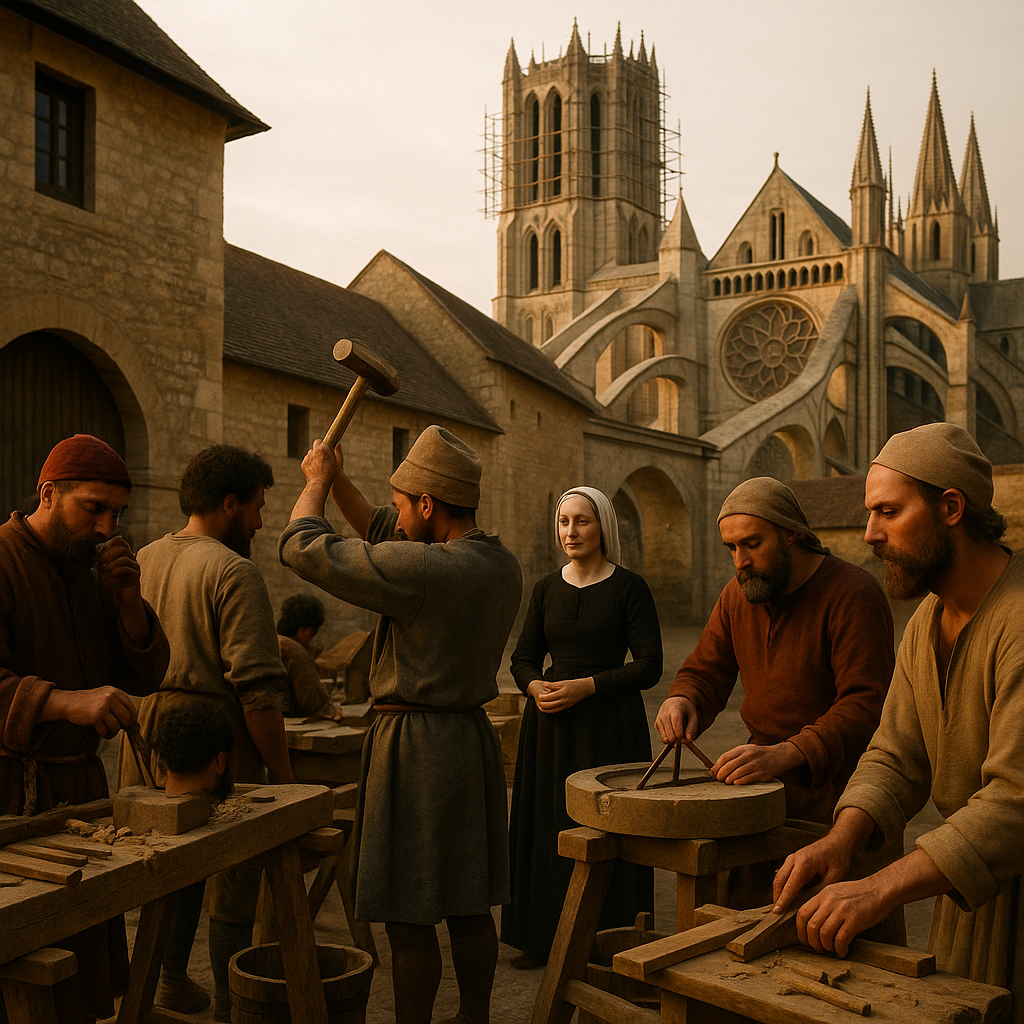
The soaring spires and intricate stained glass of Chartres Cathedral remain one of medieval Europe’s most breathtaking architectural achievements. Constructed primarily during the 12th century, this cathedral not only reflects the technical mastery of Gothic builders but also the profound religious devotion of the era. Chartres stands as a testament to the era’s faith, artistry, and social order.
The Birth of a Gothic Marvel
Chartres Cathedral was built on the site of several previous churches, the most recent of which was destroyed by fire in 1194. The decision to rebuild was swift and ambitious, aiming to erect a structure both spiritually impressive and architecturally advanced. The cathedral’s design introduced innovations such as flying buttresses which allowed walls to be higher and thinner, creating vast window spaces flooded with colored light.
This architectural leap reflected a shift toward emphasizing verticality and luminosity as metaphors for divine presence. The master masons and craftsmen, working under an often under-documented but highly skilled hierarchy, orchestrated a construction that took approximately 26 years to reach completion. The result was an edifice that blended mathematical precision with religious symbolism.
Stained Glass: The “Bible in Light”
One of Chartres’ most famed features is its extensive collection of stained glass windows, many dating from the original 12th-century reconstruction. These windows do more than decorate; they educate and inspire. The vivid blues and reds illustrate biblical stories and saints’ lives, offering the largely illiterate medieval populace visual scripture and theological lessons.
History enthusiasts recognize Chartres’ stained glass as particularly significant among Gothic cathedrals for both its size and remarkable preservation. The windows’ iconography reflects the blending of faith and daily life, portraying biblical figures alongside local guild symbols and scenes of medieval society, encouraging personal and communal piety.
Pilgrimage and Religious Importance
Chartres Cathedral quickly became a major pilgrimage destination, renowned for housing the Sancta Camisa, believed to be the tunic worn by the Virgin Mary at Christ’s birth. Pilgrims traveled from across Europe to participate in holy rituals and seek spiritual healing, enhancing the city’s religious and economic stature.
This pilgrimage status deepened Chartres’ importance within the medieval Christian world. The cathedral hosted elaborate liturgical ceremonies and annual festivals which reinforced local identity and religious devotion. Additionally, the building’s chapels and crypts were designed to accommodate the vibrant movement of pilgrims, reflecting the intersection of architectural design and spiritual function.
Artistic and Architectural Legacy
The art and architecture of Chartres Cathedral influenced countless other Gothic cathedrals across Europe. Its pioneering structural techniques enabled larger windows and higher ceilings, setting new standards for ecclesiastical construction. The sculptural programs on its façades communicated complex theological narratives that became models for artistic expression in sacred spaces.
Medieval society saw the cathedral as more than a church; it was a city’s pride and testament to divine favor. Modern historians and architects continue to study Chartres for insights into medieval building techniques and religious culture. This cathedral’s story intertwines with other monumental constructions of its time, such as the celebrated Norman Conquest of 1066, which shaped the political and religious landscape of medieval France and England.
The Role of Chartres Cathedral in Medieval Society
Beyond its architectural and religious functions, Chartres played a key role in medieval social life. It was a hub for education as part of the cathedral school tradition, nurturing scholars and clerics who contributed to intellectual life. The presence of relics and the hosting of pilgrimages fostered economic vitality as merchants and artisans supplied the needs of visitors.
This integration of spiritual, social, and economic functions illustrates how closely intertwined medieval religion was with daily life. The cathedral symbolized both divine order and civic pride, influencing the identity and governance of Chartres itself.
For a deeper understanding of medieval religious structures and their community roles, this article complements it with insights from the Dominican Order’s origins and impact, a contemporary religious movement that also shaped medieval spiritual and intellectual life.
Conclusion: Enduring Impact of Chartres Cathedral
Chartres Cathedral’s construction in the 12th century marked a pivotal moment in medieval architecture and spirituality. Its innovative Gothic features and stunning stained glass have captivated generations, standing as a monument to medieval faith, artistic achievement, and social order. Even today, Chartres remains a powerful symbol of human creativity and devotion, reminding visitors of the rich, intertwined history of religion and community in medieval Europe.
Its legacy is evident in the many cathedrals it inspired and the continuing fascination of historians, architects, and pilgrims alike. Chartres Cathedral not only shaped the medieval world but also continues to inspire the modern imagination, preserving the spirit of a bygone era through stone, glass, and light.