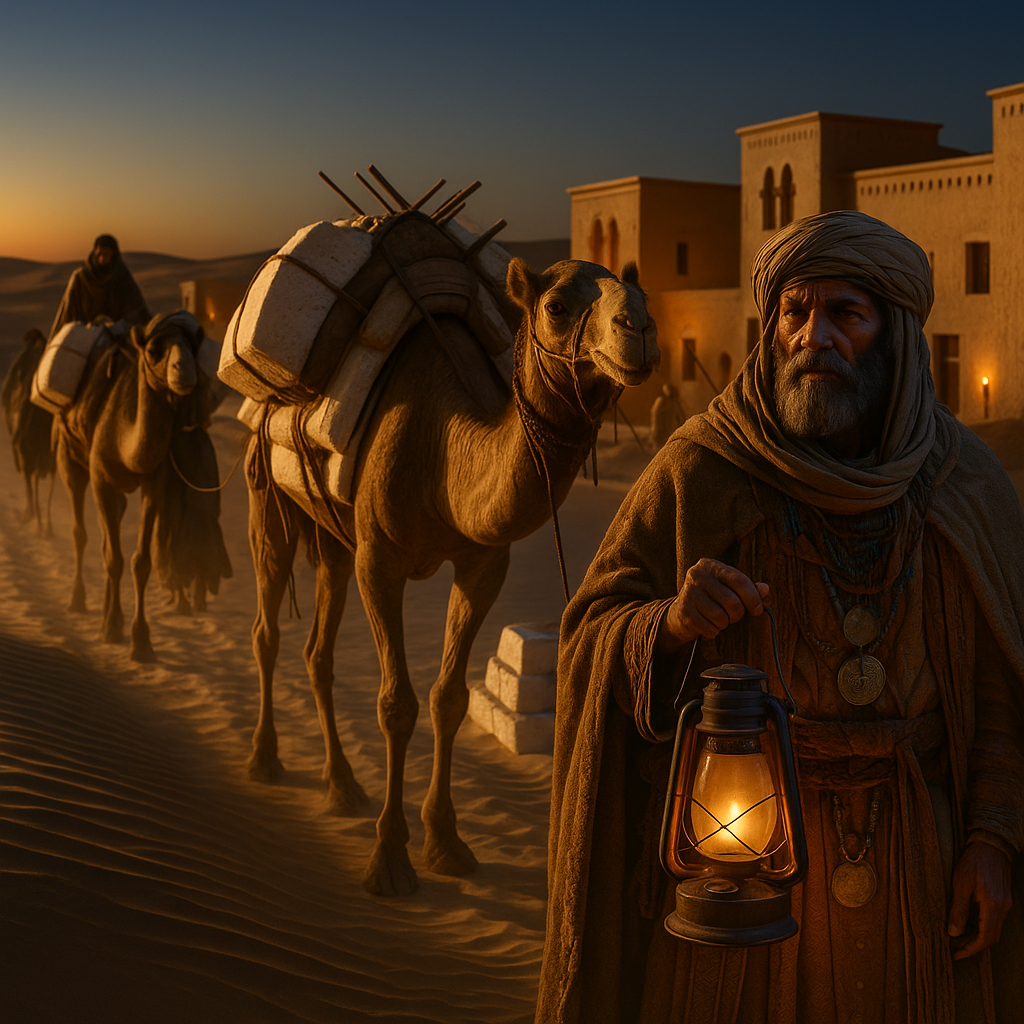
In the arid expanse of the Sahara, salt was once more precious than gold. The vast desert was crisscrossed by caravans that carried this vital commodity, critical for sustenance, trade, and wealth accumulation in medieval West Africa. However, the 12th century witnessed an unexpected crisis in this lucrative salt trade that rippled across kingdoms and reshaped political power in the region. This lesser-known episode offers a glimpse into the intricate dynamics of trans-Saharan commerce and medieval African statecraft.
The Vital Role of Salt in Medieval West Africa
Salt was indispensable for survival, especially in the tropics where sweat and heat could swiftly deplete the body’s mineral balance. Beyond this practical use, it held deep economic and symbolic value. Controlled salt mines in the Sahara were the linchpin of wealth for the emerging empires of the Western Sudan, including Takrur, Ghana, and later Mali. Salt caravans crossed the desert to meet the demands of gold-producing regions, facilitating an exchange that made West Africa a center of prosperity and cultural richness.
The Salt Trade and Saharan Kingdoms in the 12th Century
By the early 12th century, the salt trade was dominated by a network of desert kingdoms and Berber nomads who controlled the mines and trade routes. Mines like those in Taghaza and Bilma provided the bulk of the salt, transported by camel caravans sometimes reaching thousands of animals. The control of these mines was highly contested, as they were not only economic assets but also strategic points influencing wider political power.
The Crisis: Environmental and Political Disruptions
Mid-century, a combination of environmental changes and intensified political struggles plunged the salt trade into crisis. Reports from Arabic geographers of the time hint at increased desertification, making certain mines harder to exploit and caravan routes more perilous. Simultaneously, tensions escalated between Saharan nomadic groups and emerging West African states over access and control.
One pivotal development was the increased militarization of salt mines, with fortified outposts in places like Taghaza. Nomadic tribes, notably the Sanhaja Berbers, faced growing challenges from sedentary kingdoms that sought to secure these lucrative resources. This competition often erupted into skirmishes and temporary disruptions of trade caravans, which hindered steady salt supply to southern regions.
The Impact on West African Polities and Trade Networks
With the salt supply fluctuating, West African states were forced to adapt. Ghana, whose wealth was deeply intertwined with the control of gold and access to salt, began facing pressures that contributed to its gradual decline. Meanwhile, emerging powers such as the Sosso and later the Mali Empire exploited the situation to restructure trade relations and assert control over key routes.
The crisis indirectly spurred innovations in diplomacy and military organization, as states sought alliances with desert groups or hired Berber mercenaries to protect caravans. Some local rulers diversified their economies to reduce dependence on salt, increasing the importance of other commodities like kola nuts and textiles.
Legacy: Shaping Trans-Saharan Trade and Medieval African History
The 12th-century salt trade crisis marked a turning point in trans-Saharan commerce. It highlighted the fragility and interdependence of desert and savannah ecosystems and societies. Politically, it accelerated the fragmentation of older Saharan kingdoms and set a precedent for more centralized and militarized control over vital resources.
Furthermore, this episode underscored the deep connections between environmental conditions and political fortunes in medieval Africa. The crisis served as a catalyst for the rise of the Mali Empire in the 13th century, which mastered control over both gold and salt, becoming one of the richest and most influential states in African history.
Understanding this pivotal crisis enriches our perspective on medieval African history beyond the more famous empires and reveals the complexities of trade and power in a harsh but vibrant landscape.